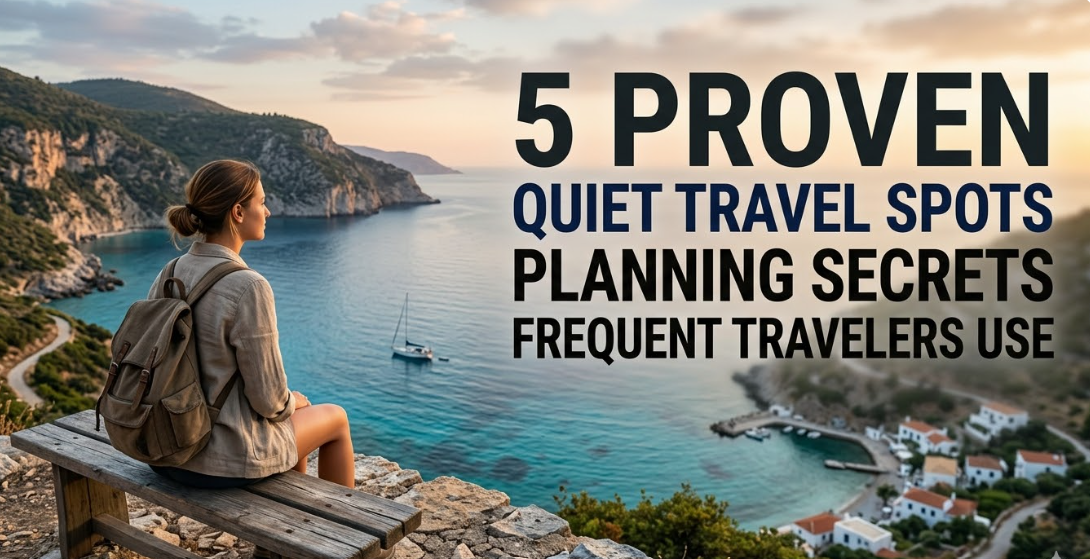

5 Quiet Travel Spots Planning Strategies That Make Trips Truly Relaxing
Modern travel often promises relaxation but delivers the opposite. Airports packed with tourists, noisy attractions, crowded restaurants, and long lines can leave travelers feeling more exhausted than refreshed. That’s why a growing number of people are turning toward quiet travel — trips designed around calm environments, slower schedules, and peaceful locations.
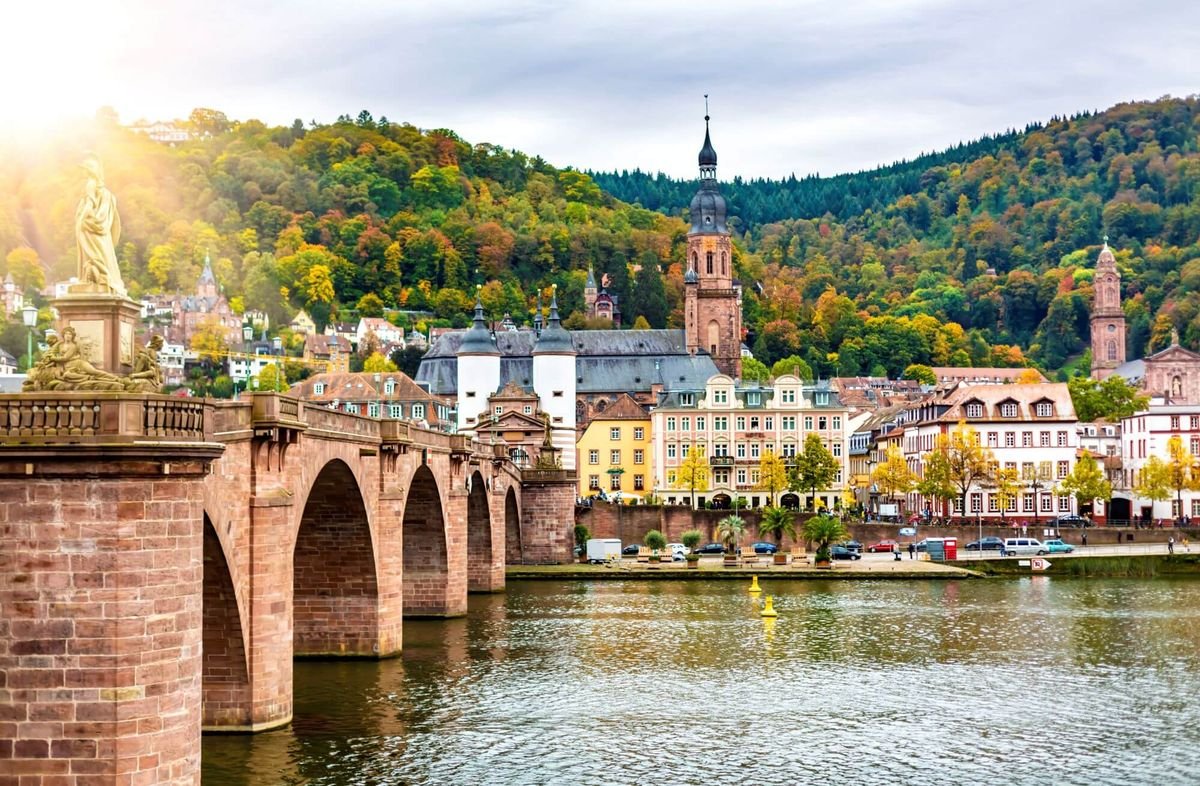
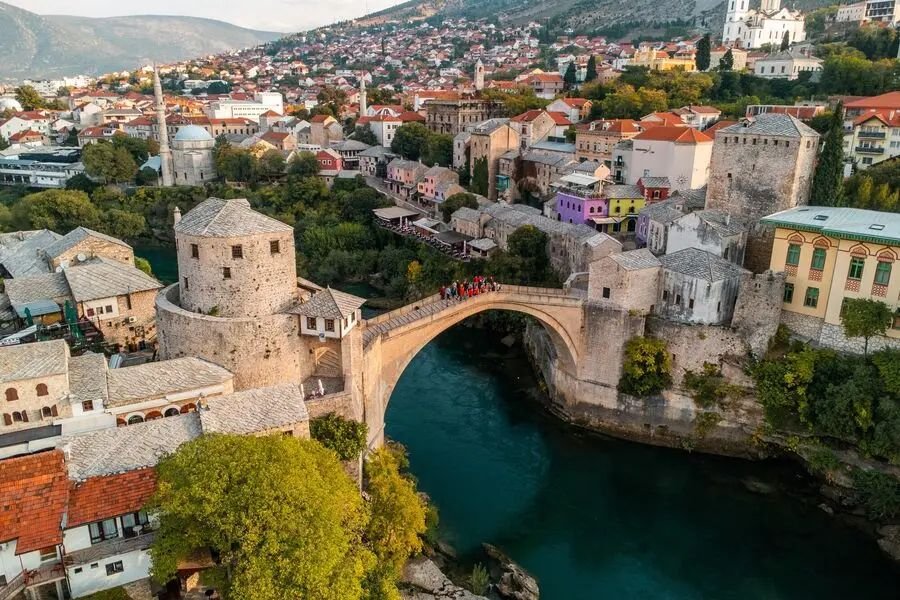
Quiet travel spots aren’t necessarily remote wilderness destinations. They can be hidden towns, low-tourism beaches, tranquil countryside villages, or under-the-radar national parks. What truly defines them is the feeling of space, calm, and unhurried experiences.
However, visiting peaceful destinations isn’t just about choosing the right place. The real secret lies in how the trip is planned. Without thoughtful planning, even the quietest place can become stressful.
In this guide, you’ll discover five practical strategies that transform ordinary travel planning into a deeply relaxing experience. These strategies focus on timing, destination research, slow travel principles, minimalist itineraries, and local immersion.
Why Quiet Travel Is Becoming So Popular
In recent years, travel trends have shifted dramatically. Instead of chasing famous landmarks, many travelers now prioritize mental wellbeing, nature, and solitude.
Key Reasons People Prefer Quiet Travel
| Reason | Explanation |
|---|---|
| Digital Burnout | People want breaks from constant screens and notifications |
| Overcrowded Tourism | Popular destinations often feel overwhelming |
| Mental Wellness | Peaceful places help reduce stress and anxiety |
| Authentic Experiences | Smaller towns offer deeper cultural connection |
| Slow Living Movement | Many travelers want to slow down and travel intentionally |
Quiet travel isn’t about doing nothing. It’s about experiencing places at a comfortable pace.
Strategy 1: Choose Low-Tourism Destinations Instead of Famous Ones
One of the biggest mistakes travelers make is assuming relaxation comes from famous locations. In reality, the most popular destinations are often the least relaxing.
Instead of focusing on famous cities or trending locations, shift your attention toward lesser-known alternatives.
For example:
| Popular Destination | Quiet Alternative |
|---|---|
| Santorini | Milos or Naxos |
| Bali | Lombok |
| Swiss Alps Resorts | Small Alpine villages |
| Kyoto | Kanazawa |
| Amalfi Coast | Cilento Coast |
These quieter destinations offer the same landscapes, culture, and cuisine, but with far fewer crowds.
How to Identify Quiet Destinations
Use these indicators:
| Indicator | What It Suggests |
|---|---|
| Few international flights | Lower tourist traffic |
| Limited large hotels | Smaller crowds |
| Local guesthouses dominate | Authentic community vibe |
| Fewer social media posts | Hidden destination |
Travel blogs, local tourism boards, and small travel forums often reveal destinations that haven’t yet been discovered by mass tourism.
Benefits of Quiet Destinations
- Lower prices
- More genuine local interactions
- Less waiting in lines
- Greater connection with nature
- More freedom to explore spontaneously
When a place isn’t overloaded with tourists, it becomes easier to experience the destination rather than simply observe it.
Strategy 2: Travel During Shoulder Seasons
Timing plays a massive role in how relaxing a trip feels. Even peaceful locations can become busy during peak tourist seasons.
That’s why experienced travelers plan trips during shoulder seasons.
What Is Shoulder Season?
Shoulder season is the period just before or just after peak travel season.
| Season Type | Typical Crowd Level | Price Level |
|---|---|---|
| Peak Season | Very High | Expensive |
| Shoulder Season | Moderate | Moderate |
| Off Season | Low | Cheapest |
Example of Shoulder Seasons
| Destination | Best Quiet Travel Months |
|---|---|
| Mediterranean | April – May, September |
| Japan | Late November |
| Scandinavia | May and early September |
| Canada National Parks | Late September |
| Southeast Asia | Early December or May |
During these periods, travelers experience:
- fewer crowds
- lower hotel prices
- better availability
- calmer attractions
Additional Shoulder Season Advantages
| Advantage | Why It Matters |
|---|---|
| More relaxed locals | Less tourism pressure |
| Easier reservations | Restaurants and tours available |
| Pleasant weather | Often milder temperatures |
| Better photography | Fewer people in scenic spots |
Many seasoned travelers consider shoulder season the secret to stress-free travel.
Strategy 3: Design a Slow Travel Itinerary
One of the biggest causes of travel stress is overpacked itineraries.
Many travelers try to visit multiple cities, attractions, and activities within a few days. This leads to rushing, fatigue, and constant logistics.
Quiet travel embraces the concept of slow travel.
What Is Slow Travel?
Slow travel focuses on spending more time in fewer places.
Instead of hopping between destinations, travelers stay longer in one location and explore it deeply.
Example Travel Styles
| Fast Travel | Slow Travel |
|---|---|
| 6 cities in 10 days | 2 cities in 10 days |
| Daily attraction list | Flexible exploration |
| Frequent packing | Stable base |
| Strict schedule | Relaxed pacing |
Sample Slow Travel Itinerary (7 Days)
| Day | Activity |
|---|---|
| Day 1 | Arrival and neighborhood walk |
| Day 2 | Local café and market visit |
| Day 3 | Nature exploration |
| Day 4 | Cultural experience or museum |
| Day 5 | Rest day or spa |
| Day 6 | Day trip to nearby town |
| Day 7 | Leisure morning and departure |
Slow travel reduces stress because it removes the pressure to see everything.
Instead, travelers enjoy deeper experiences such as:
- long café conversations
- quiet scenic walks
- discovering hidden streets
- observing local daily life
Strategy 4: Choose Accommodation Designed for Calm
Accommodation greatly influences how relaxing a trip feels. Large hotels with hundreds of rooms can sometimes feel chaotic.
Instead, travelers seeking tranquility should look for peace-focused lodging.
Types of Quiet Accommodation
| Accommodation Type | Why It Works |
|---|---|
| Boutique Hotels | Smaller guest numbers |
| Eco Lodges | Nature immersion |
| Countryside B&Bs | Peaceful rural atmosphere |
| Mountain Cabins | Privacy and solitude |
| Island Guesthouses | Minimal crowds |
Ideal Features for Quiet Travel Accommodation
| Feature | Benefit |
|---|---|
| Small number of rooms | Fewer guests |
| Natural surroundings | Calming environment |
| Sound insulation | Better sleep |
| Outdoor seating areas | Relaxation |
| No nightlife noise | Peaceful evenings |
Accommodation Location Tips
Avoid staying:
- directly next to major tourist attractions
- on nightlife streets
- near crowded transportation hubs
Instead, choose locations:
- on quiet residential streets
- near parks or waterfronts
- in small towns outside major cities
A peaceful place to stay acts as a daily reset point, allowing travelers to unwind after exploring.
Strategy 5: Build Quiet Rituals Into Your Travel Days
Relaxing trips don’t happen automatically. They are built through intentional daily habits.
By introducing calming rituals, travelers transform trips into restorative experiences.
Examples of Quiet Travel Rituals
| Ritual | Description |
|---|---|
| Sunrise walks | Start the day peacefully |
| Café journaling | Reflect on experiences |
| Afternoon breaks | Avoid midday crowds |
| Sunset viewpoints | Calm end to the day |
| Technology-free evenings | Disconnect from screens |
Example Daily Rhythm for Relaxing Travel
| Time | Activity |
|---|---|
| Morning | Nature walk or café breakfast |
| Mid-morning | Explore local attractions |
| Afternoon | Rest or light exploration |
| Evening | Scenic dinner and sunset |
| Night | Quiet reading or journaling |
These rituals help maintain a calm rhythm, even in unfamiliar environments.
The Psychology Behind Relaxing Travel
Travel stress usually comes from three sources:
- Decision fatigue
- Time pressure
- Overstimulation
Quiet travel strategies address all three.
Travel Stress Comparison
| Travel Style | Stress Level |
|---|---|
| Packed itineraries | High |
| Tourist hotspot hopping | High |
| Slow quiet travel | Low |
Reducing stimulation allows the brain to shift from reactive mode to reflective mode, which improves emotional wellbeing.
How Technology Can Help (Without Ruining the Calm)
Technology isn’t necessarily the enemy of quiet travel. When used intentionally, it can reduce logistical stress.
Helpful Tools
| Tool | Purpose |
|---|---|
| Offline maps | Navigation without internet |
| Travel journals apps | Memory recording |
| Local transport apps | Easy navigation |
| Noise-tracking apps | Avoid loud areas |
The key is to use technology for planning, not constant distraction.
Quiet Travel Packing Checklist
Packing the right items can enhance relaxation during trips.
Essential Quiet Travel Gear
| Item | Purpose |
|---|---|
| Lightweight backpack | Comfortable exploration |
| Journal or notebook | Reflection |
| Noise-canceling headphones | Peaceful transit |
| Reusable water bottle | Hydration |
| Comfortable walking shoes | Easy exploration |
Minimalist packing reduces clutter and makes moving between locations easier.
Common Mistakes That Ruin Quiet Trips
Even travelers with good intentions can accidentally create stressful trips.
Frequent Planning Mistakes
| Mistake | Result |
|---|---|
| Overbooking tours | Exhaustion |
| Staying in tourist districts | Noise and crowds |
| Packing too many activities | No rest |
| Ignoring travel fatigue | Burnout |
Avoiding these mistakes helps maintain the core goal of quiet travel: relaxation.
Long-Term Benefits of Quiet Travel
Many travelers find that quiet travel changes how they view the world.
Personal Benefits
| Benefit | Explanation |
|---|---|
| Improved mental clarity | Less stimulation |
| Better memories | Deeper experiences |
| Cultural understanding | Authentic interactions |
| Stronger creativity | Calm environments inspire ideas |
These trips often feel more meaningful than typical sightseeing vacations.
Final Thoughts
Truly relaxing travel rarely happens by accident. It comes from thoughtful planning, mindful pacing, and intentional destination choices.
The five strategies discussed in this guide can transform an ordinary trip into a deeply restorative experience:
- Choose low-tourism destinations
- Travel during shoulder seasons
- Design slow travel itineraries
- Select calm accommodations
- Create peaceful daily rituals
When these elements work together, travel becomes less about rushing between attractions and more about experiencing places with presence and calm.
Quiet travel reminds us that sometimes the most memorable journeys happen in the spaces between the crowds.
Frequently Asked Questions (FAQs)
1. What is a quiet travel destination?
A quiet travel destination is a location with fewer tourists, peaceful surroundings, and a slower pace of life. These places may include small towns, countryside regions, remote beaches, or lesser-known national parks.
2. How can I find quiet travel spots?
Look for destinations with smaller airports, fewer international flights, limited large hotels, and strong local tourism rather than mass tourism. Travel blogs and local forums can also reveal hidden locations.
3. Is quiet travel more expensive?
Not necessarily. In many cases, quiet destinations are more affordable because they are less commercialized and have fewer luxury resorts targeting mass tourism.
4. How many destinations should I visit on a relaxing trip?
For a relaxing experience, many travel experts recommend visiting one or two destinations per week rather than moving between cities every day.
5. What type of accommodation is best for peaceful travel?
Boutique hotels, countryside bed-and-breakfasts, eco lodges, and small guesthouses are often better choices than large resorts or chain hotels.
6. Can quiet travel still include activities?
Absolutely. Quiet travel still includes exploration, nature walks, cultural visits, and local food experiences. The difference is that the schedule is balanced and unhurried, allowing time to rest and enjoy the surroundings.