
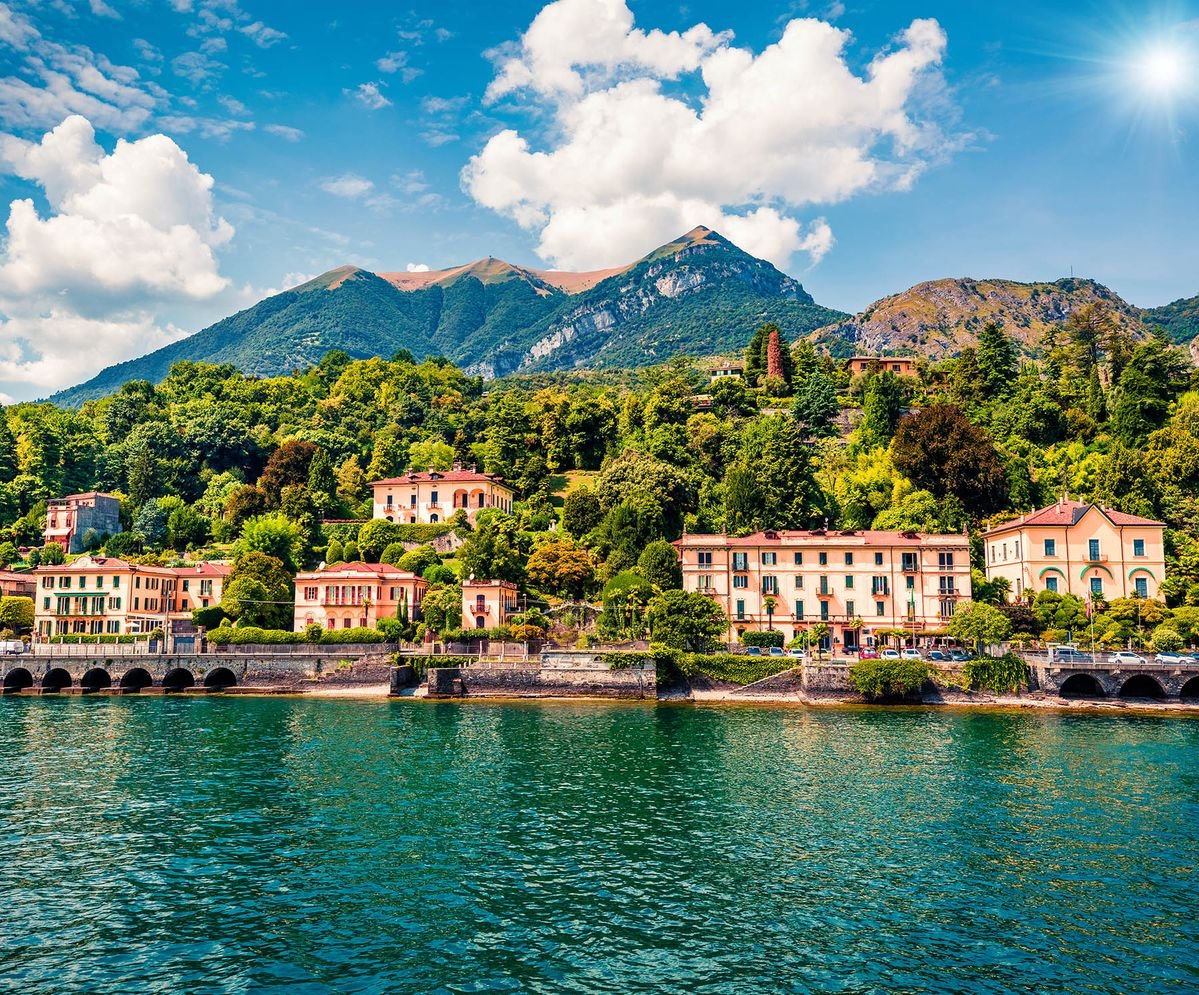
Honestly, I didn’t plan to fall in love with silence.
A couple of years back, I booked a last-minute trip to what I thought was a “charming coastal village” — turns out it was peak season, and every narrow alley was packed shoulder-to-shoulder with tourists dragging wheeled luggage and arguing over Google Maps. I sat on a wall eating lukewarm gelato, watching the chaos, thinking: this is not what I came here for.
That trip flipped something in me. I started researching differently. Instead of Googling “best places to visit in [country],” I started asking: where do the locals actually go? Where can you hear birds instead of selfie sticks clicking? Where does the pace slow down enough that you can remember why you started traveling in the first place?
What I found surprised me — not because these places were obscure or difficult to reach, but because they were sitting there all along, just quietly waiting. No viral reels. No influencer crowds. Just genuine, breathable, beautiful places.
Here are six of them — and why I think they deserve a spot on your list this year.
1. Gjirokastër, Albania — The Stone City Nobody Talks About
Most people who visit Albania head straight to the Albanian Riviera. Fair enough — it’s stunning. But Gjirokastër, tucked in the mountains of southern Albania, is something else entirely.
The entire old town is a UNESCO World Heritage Site, built from grey limestone that gives it this timeless, almost monochromatic look. The streets are cobblestoned and steep. The houses look like fortresses. And the tourists? Almost nonexistent.
I wandered through the bazaar on a Tuesday morning and counted maybe twelve other visitors. The man selling copper pots didn’t perform for me — he just nodded and went back to his work. That’s the vibe here. Authentic in the most unperformative way.
What makes it special:
- The Ottoman-era architecture is remarkably preserved
- The castle overlooks the entire valley — you can sit there for an hour and see nobody
- Accommodation is cheap (I stayed in a guesthouse for around $25/night, breakfast included)
- The food — byrek, slow-cooked lamb, strong coffee — is incredible and unfussy
The one mistake most visitors make is skipping Gjirokastër in favor of coastal spots. Don’t. Give it two or three days. It rewards slow exploration.
2. Faial Island, Azores (Portugal) — Volcanic Silence in the Middle of the Atlantic
The Azores in general are underrated. But even within the Azores, most tourists gravitate toward São Miguel with its famous Sete Cidades crater lakes. Meanwhile, Faial — a 45-minute flight away — sits in near-total peace.
Faial is volcanic, green almost to the point of being overwhelming, and permanently damp in that soft Atlantic way that makes everything smell alive. The caldeira (the volcanic crater at the island’s center) is one of the most eerie, beautiful natural formations I’ve ever stood in. Fog rolls through it constantly. You can walk the rim in about two hours and feel like you’re genuinely at the edge of the world.
The main town, Horta, has a marina that’s famous among transatlantic sailors — but even that is quiet in a purposeful way. People there are in transit, resting, resetting. It sets the tone for the whole island.
Practical notes:
| Detail | Info |
|---|---|
| Best time to visit | May–September |
| How to get there | Fly via Lisbon (TAP Air Portugal) or connect through São Miguel |
| Stay duration | 3–5 days |
| Budget estimate | €60–90/day (mid-range) |
| Must-do | Walk the Caldeira rim, visit Capelinhos volcano landscape |
I used Google Maps offline and Komoot for hiking trails here — cell service on the trails is patchy but the paths are well-marked.
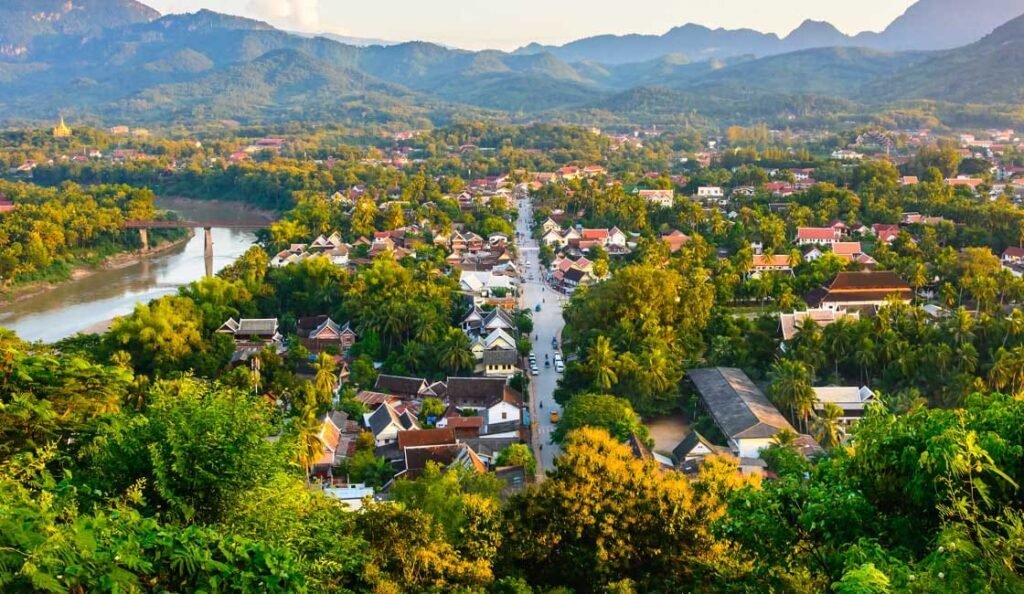
3. Luang Prabang, Laos — The Town That Asks You to Slow Down
I know what you’re thinking — Luang Prabang is not exactly a secret anymore. And you’re right, it does get tourists. But compared to Bangkok, Bali, or even Hoi An, it still holds a quietness that feels almost protective.
The town sits at the confluence of the Mekong and Nam Khan rivers. There are golden temples everywhere — over thirty of them in a town you can walk across in twenty minutes. Every morning before dawn, monks in saffron robes walk in silent procession through the streets for the alms-giving ceremony (tak bat). Locals kneel and offer sticky rice. Travelers who know to be quiet and respectful can watch from a distance.
That ceremony alone changed how I travel. It reminded me that some places aren’t for tourists — we’re just allowed to witness them for a while. That’s a very different feeling from a staged cultural show.
If you want to explore the broader region, pairing it with nearby spots is worth the research. I came across a useful piece from 9 Smart Quiet Travel Spots Guides for Slow Travel Lovers that helped me think through the rhythm of slow travel in Southeast Asia — what to prioritize, what to skip, how to move without rushing.
Common mistake: Booking only two nights. Luang Prabang needs at least five days to properly exhale into. The waterfall at Kuang Si, the night market, a boat trip upriver to the Pak Ou caves — these shouldn’t be crammed into 48 hours.
4. Matera, Basilicata (Italy) — Living Inside Ancient Stone
Matera is one of those places that makes you question what you know about civilization. People have been living in these cave dwellings — sassi — for over 9,000 years. It’s one of the oldest continuously inhabited cities on Earth.
And yet, even after being named a European Capital of Culture in 2019, Matera remains remarkably unhurried. It’s in the instep of Italy’s boot, far from the tourist triangle of Rome-Florence-Venice, which means most people don’t bother. Their loss, your gain.
Walking through the sassi at dusk, when the limestone glows warm gold and the evening light settles into the ravine, is one of those experiences that doesn’t photograph well but stays with you for years. There’s a reason film directors keep choosing it as a stand-in for ancient Jerusalem.
Some of the caves have been converted into hotels — staying in one is surreal in the best way. The walls are cool even in summer. It’s quiet in a way that cities almost never are.
Things I wish I’d known before going:
- Wear comfortable shoes. Seriously. The paths are steep and uneven.
- Visit the rupestrian churches (cave churches carved directly into rock) — they have ancient frescoes that are barely mentioned in mainstream guides
- Try crapiata, a traditional legume soup that locals eat for the Feast of the Madonna — simple and perfect
5. Svaneti, Georgia — Mountains That Feel Like They Belong to Another Era
Few places I’ve visited have given me the same combination of wildness and stillness as Svaneti, a highland region in northwestern Georgia.
The Caucasus Mountains here are enormous — peaks over 4,000 meters, with permanent snow even in July. The villages are guarded by medieval stone towers that Svan families built centuries ago during times of conflict. Many of those towers still stand, and many of the families still live beside them.
Mestia is the main hub, accessible by a scenic flight from Tbilisi (I’d highly recommend it — the mountain approach is stunning) or a long but beautiful drive. From Mestia, you can hike to the village of Ushguli — one of the highest permanently inhabited settlements in Europe — in about four days of trekking.
I planned this trip mostly using Maps.me (great for offline use in remote areas) and a printed guide I’d pieced together from several blog posts, including advice I found through 10 Ultimate Quiet Travel Spots Guides for First-Time Peace Seekers, which gave me a solid framework for approaching places that don’t have mainstream infrastructure.
Honest caveat: Svaneti is not for comfort-seekers. Roads are rough. Electricity can be unreliable. But if you’re the kind of traveler who finds that energizing rather than discouraging — you’ll love it.
| Trail | Difficulty | Duration | Reward |
|---|---|---|---|
| Mestia to Koruldi Lakes | Moderate | 4–5 hrs return | Panoramic Caucasus views |
| Mestia to Ushguli trek | Challenging | 4 days | UNESCO village, glaciers |
| Chalaadi Glacier day hike | Easy-Moderate | 3–4 hrs | Glacial moraine, river |
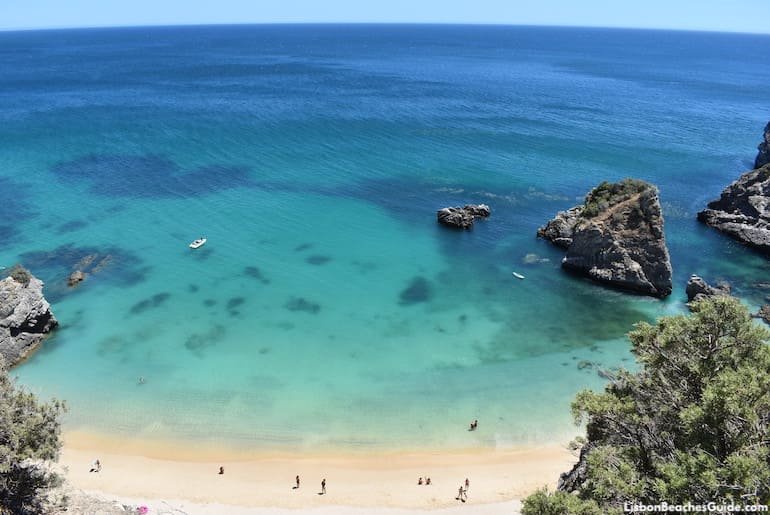
6. Comporta, Portugal — The Anti-Algarve
Most people who visit Portugal’s coast head to the Algarve — the southern coastline with its dramatic sea stacks, packed beaches, and lively resort towns. All of that is wonderful. But Comporta, about 90 minutes south of Lisbon on the Setúbal Peninsula, is the opposite in every way.
The beaches here are long, flat, and wild. Pine forests run right to the sand dunes. Rice paddies stretch inland. Flamingos wade in the Sado Estuary. The architecture is low, white, and simple — no high-rises, no beach clubs blasting music at noon.
Comporta has been called “Portugal’s Hamptons” because it attracts wealthy Lisboetas escaping the city on weekends. But even so, it never feels crowded — partly because accommodation is deliberately limited, and partly because the people who come here want quietness, so they protect it.
I went in early September, just after most families had returned to the city for the school year. The beach was basically mine for two full mornings.
Budget tip: Comporta itself skews expensive for accommodation. Staying in nearby Alcácer do Sal (a beautiful town with a Moorish castle) and driving to Comporta each day cuts costs significantly.
For anyone figuring out how to actually plan trips like this — where to stay, when to go, how to avoid inadvertently picking the busy week — I found 5 Proven Quiet Travel Spots Planning Secrets Frequent Travelers Use genuinely useful. It’s less about specific destinations and more about the thinking process behind finding places that haven’t been overrun yet.
A Few Things I’ve Learned the Hard Way
Timing is everything. Almost every destination on this list has a “shoulder season” sweet spot — usually 4–6 weeks before or after the peak. Go then. You get the weather, minus the crowds.
Slow down your itinerary. Most over-tourism happens because people cram too much in. When you give a place three days instead of one, you stop performing tourism and start actually experiencing somewhere. You eat at the place with no English menu. You talk to the person at the guesthouse. You get slightly lost and don’t panic about it.
Avoid booking through the obvious platforms first. For quieter destinations, direct guesthouse bookings (often found through a quick email or WhatsApp — yes, really) are often cheaper and more rewarding than anything on the major aggregator sites.
Tell fewer people. I know this sounds selfish, and maybe it is a little. But there’s something to be said for visiting a place before writing about it — for letting it be a private experience first. Some of the best quiet spots I’ve been to are still quiet precisely because the people who love them talk about them carefully.
There’s a kind of travel that recharges you rather than depleting you. It doesn’t require extreme remoteness or an enormous budget — it requires a willingness to look slightly to the left of where everyone else is looking.
These six places are waiting. They’re not going anywhere — but they are, slowly, being discovered. So if any of them have been sitting in your mental “someday” folder, this might be the year to actually go.
If you’re still figuring out where to begin, start with your instincts — then check your assumptions. And if you want help thinking through destinations beyond the usual lists, this guide on 7 Secret Quiet Travel Spots in Europe That Feel Like Hidden Worlds is worth reading before you book anything.