

5 Peaceful Quiet Travel Spots That Completely Reset My Mind
I still remember the exact moment it hit me. I was sitting in my cramped apartment after another endless day of meetings and notifications pinging nonstop on my phone. The walls felt like they were closing in, my thoughts racing like they always did back home in the city grind. Sleep? Forget it. Even when I did crash, I woke up with that heavy fog in my head. That’s when I decided enough was enough. I needed places where the noise stopped, not just the external kind but the chatter inside my skull too. Over the years, I’ve chased silence in all sorts of corners of the world, and these five spots weren’t just getaways. They were full-on resets, the kind that left me feeling like I’d hit a mental factory refresh button. No apps, no schedules, just me and whatever the place decided to whisper. If you’re feeling burned out or just need to breathe again, these are the ones that worked for me every single time. I didn’t plan them as some grand tour; each one found me when I needed it most, and each left me lighter, clearer, ready to face whatever came next.
The first time I truly understood quiet was in the Hoh Rainforest, tucked deep inside Olympic National Park in Washington state. I had flown into Seattle on a whim after a particularly brutal work stretch, rented a beat-up car, and driven west without much of a plan. The park itself is massive, but I wanted the real deal, so I headed straight for the Hoh. People talk about it like it’s some fairy-tale forest, and honestly, that’s not far off. You pull up after a long drive through misty roads, and suddenly the world shifts. The air gets thick with that damp, earthy smell of moss and ferns, like the whole place has been breathing steadily for centuries without a care. I parked near the visitor center, grabbed my backpack with just a tent, some water, and a notebook, and started hiking in.
What hits you first isn’t the scenery, though the towering Sitka spruces draped in hanging moss look like something from a dream. It’s the sound, or rather the lack of it. There’s this spot called the One Square Inch of Silence, marked by a small plaque, and I made it my mission to reach it. The trail winds through cathedral-like groves where the canopy blocks out almost everything. No planes overhead, no distant traffic, just the occasional drip of rain from leaves or the soft crunch of my boots on the path. I remember stopping halfway and just standing there, ears straining. At first, my mind kept filling the gaps with old worries—deadlines, arguments, that endless to-do list. But after an hour or so, those voices faded. It was like the forest had gently told them to shut up.
I camped near the river that night, and the reset really kicked in. No fire, because I wanted pure quiet. I sat on a log as the light faded, listening to the Hoh River murmuring low and steady. It wasn’t loud like ocean waves; it was this constant, soothing undercurrent that matched my breathing after a while. The next morning, I woke before dawn and hiked back to that one square inch. I sat cross-legged on the damp ground, phone turned off and buried in my pack. For the first time in years, I didn’t reach for it. Instead, I just watched the mist rise and fall around the ancient trees. Thoughts came and went without grabbing hold—old regrets, future fears, all of it just passing like clouds. By the end of three days there, hiking different loops each morning and spending afternoons doing nothing but staring at the canopy, my head felt uncluttered. The burnout that had me snapping at everyone back home? It dissolved. I came out knowing I could carry a bit of that silence with me, even in the city. If you’re going, go in shoulder season, spring or fall, when crowds thin out. Pack layers because it rains a lot, and don’t forget rain gear. Skip the guided tours; the magic is in wandering alone. That place didn’t just quiet the world; it quieted me.
From there, my search for resets took me south to Sedona in Arizona, a place I stumbled on during a cross-country drive years later. I was between jobs, feeling that familiar mental clutter creeping back, and a friend had mentioned the red rocks like they were some kind of natural therapy. I laughed it off at first—vortexes and energy fields sounded too woo-woo for me. But man, was I wrong. Sedona isn’t about flashy resorts or packed trails. I stayed in a tiny cabin on the outskirts, away from the main drag, and focused on the lesser-known spots like the trails around Boynton Canyon or up near the Airport Mesa at dawn.

The quiet there is different from the forest. It’s vast and open, with those massive red sandstone formations rising like ancient sentinels. The air is dry and crisp, carrying a faint scent of juniper and sage that clears your sinuses and, somehow, your thoughts too. I remember the first hike I did alone at sunrise. The sky turned this impossible pink over the rocks, and as I climbed, the only sounds were my footsteps on the dusty path and the occasional call of a distant bird. No echo of city life, no hum of engines. People say the vortexes amplify energy, and whether you buy into that or not, something shifts. I sat on a flat rock overlooking a canyon, closed my eyes, and let the sun warm my face. My mind, which usually jumped from one worry to the next like a pinball, slowed to a crawl. It was as if the red earth was absorbing all the static.
Over the week I stayed, I built a simple routine that became my anchor. Mornings for silent hikes—sometimes just sitting midway on a trail with my journal, scribbling whatever came up without judging it. Afternoons, I’d drive to a quieter spot like the Secret Canyon area and meditate for an hour, not forcing anything, just breathing with the landscape. Evenings brought stargazing from my cabin porch, where the desert night swallows sound whole. One night, a coyote howled far off, and instead of startling me, it felt like a reminder that life goes on without my interference. The reset hit hardest on day five. I had been carrying this guilt about a family thing back home, replaying conversations in my head nonstop. Up on a vortex trail, with nothing but wind whispering through the scrub, that guilt loosened its grip. I saw it for what it was—just noise. I left Sedona with a lighter step, my mind sorted into neat piles instead of a tangled mess. Practical tip: Rent a jeep if you can for the backroads, but stick to dawn or dusk hikes to avoid any stragglers. Bring plenty of water—the dry air sneaks up on you—and maybe a hat for the sun. Don’t chase the tourist vortex maps; find your own rock and sit. Sedona didn’t fix everything, but it reminded me the mind can expand when the surroundings give it room.
Next came a trip across the pond to the Lake District in England, specifically around the quieter edges of Wastwater and the fells beyond the main tourist lakes. This one happened after a family visit turned stressful, and I needed an escape that felt familiar yet far enough to breathe. I flew into Manchester, hopped a train north, and ended up in a small B&B near Wasdale Head. The Lake District gets hyped for its beauty, but most folks stick to Windermere or Keswick. I wanted the parts where you can walk for hours without seeing another soul, and that’s exactly what I found.
The quiet here wraps around you like a soft blanket. Picture rolling green hills dipping into dark, still lakes, with stone walls snaking up the slopes and sheep grazing without a care. The air smells of wet grass and peat, fresh after rain, which falls often but lightly. I started each day with a hike up Scafell Pike or just along the shore of Wastwater, the deepest lake in England, where the water reflects the mountains like a mirror. No boats buzzing, no loud groups—just the lap of tiny waves and the wind rustling through bracken. My mind, still buzzing from the family drama, started to unwind on the second day. I sat by the lake edge one afternoon, skipping stones and watching ripples fade, and realized I hadn’t checked my phone in hours. The thoughts that usually looped endlessly? They stretched out and thinned until they vanished.
I extended my stay to ten days, renting a rowboat for one silent paddle across Wastwater at twilight. The oars dipped in rhythm with my breath, and the mountains loomed protective on all sides. Back on land, I’d wander trails like the one to Sty Head Tarn, a tiny hidden lake where I spent whole mornings just lying in the grass, eyes on the clouds. One evening, a sudden mist rolled in, and everything went muffled. It was eerie at first, but then comforting—like the world had tucked me in. That fog lifted something in me too. I processed old resentments without the usual anger, seeing them as part of a bigger landscape. By the end, my head felt reset to factory settings, calm and focused. The Lake District taught me that quiet doesn’t have to be empty; it can be full of gentle movement. If you go, aim for late autumn or early spring when the crowds thin and the colors pop. Wear good boots for the mud, pack a thermos for tea breaks, and avoid weekends on popular paths. Stay in a local farm stay for that authentic feel. This spot didn’t just reset me—it grounded me in a way that stuck long after I returned home.
Then there was Mount Koya, or Koyasan, in Japan, a mountain temple town that pulled me in during a solo Asia trip when work stress had me on the edge again. I took the train from Osaka, switched to a cable car, and emerged into this otherworldly plateau ringed by cedar forests. Koyasan isn’t your typical tourist rush; it’s home to over a hundred temples where monks still live and practice. I booked a shukubo, a temple lodging, at one of the quieter ones on the outskirts, and the silence there was profound, layered with centuries of intention.
The air carries a faint incense scent mixed with pine, and the paths are lined with mossy stones and towering trees that block out the modern world. No cars up there really, just the soft shuffle of feet on gravel or the distant ring of a temple bell. I spent mornings joining optional meditation sessions in the main hall, sitting cross-legged with the monks, the only sound being shared breaths. Afternoons, I’d walk the Okunoin cemetery trail, thousands of moss-covered tombs under ancient cedars, where the quiet feels alive with history. My mind, cluttered with career doubts and endless what-ifs, started to quiet during those walks. One rainy day, I sat under a shelter overlooking the forest and let the patter on the roof wash everything away. No forcing mindfulness—just being.
The reset deepened over five nights. Temple meals were simple vegetarian fare eaten in silence, which forced me to savor every bite and notice my racing thoughts slow down. Evenings brought starlit strolls or just sitting in my room with the sliding doors open to the garden. I remember one night waking at 3 a.m. to the sound of monks chanting far off, and instead of annoyance, it felt like an invitation to join the peace. By departure, my head was clear, decisions that had paralyzed me now obvious. Koyasan showed me structured quiet can amplify the reset. Go in winter for fewer visitors, though it’s cold; pack warm layers and comfortable shoes for the stone paths. Respect the temple rules—no loud talking, and participate where you can. It’s not cheap, but worth every yen. This place didn’t just reset my mind; it realigned my spirit.
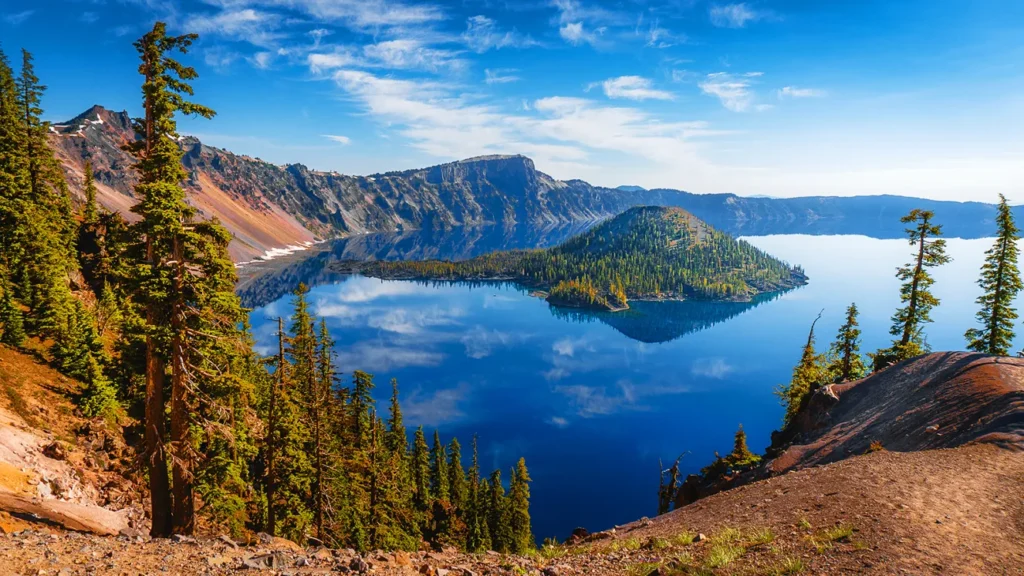
Finally, the one that surprised me most was Wadi Rum in Jordan, the vast desert valley I visited after hearing whispers of its emptiness from a fellow traveler. I was in a post-breakup fog, mind spinning with regrets, and booked a simple Bedouin camp stay far from the main tourist hubs. The drive from Aqaba takes you into this red-sand wilderness framed by towering sandstone cliffs and dunes that stretch forever. No lights, no signals, just endless sky.
The quiet in Wadi Rum isn’t absence—it’s presence. Days bring the soft hiss of wind over sand, the occasional distant camel bell, but mostly nothing. Nights drop the temperature and reveal stars so bright they feel close enough to touch. I spent my first evening sitting on a dune, watching the sun bleed orange across the rocks, and the silence hit like a wave. My usual inner monologue of blame and replay? It quieted under the sheer scale. I felt tiny, and that was freeing.
Over four days, the reset unfolded in layers. Mornings meant jeep rides to hidden canyons for solo climbs, where I’d perch on a ledge and let the vastness swallow my thoughts. Afternoons, I’d nap in the shade of a tent or walk barefoot on warm sand, feeling every grain. Evenings around a low fire with the hosts brought stories in broken English, but mostly we sat in companionable quiet. One night, a sandstorm whispered by, and I lay awake listening to grains patter on the canvas, my mind emptying completely. The breakup pain that had felt endless? It shrank to a speck. I left Wadi Rum with a steadiness I hadn’t known in months. For anyone heading there, go off-peak, avoid summer heat, and choose a remote camp—no Wi-Fi guaranteed. Bring a scarf for dust and layers for cold nights. Respect local customs. This desert didn’t fill the void; it showed me I didn’t need to.
These five spots didn’t solve my life overnight, but each one peeled back layers of noise I didn’t even know I carried. From the dripping forests of Washington to the echoing deserts of Jordan, they reminded me that resetting isn’t about running away—it’s about returning to yourself. If your mind feels like mine did, heavy and loud, pick one, book the ticket, and let the quiet do its work. You might just come back whole. I’ve returned to daily life each time a bit more patient, a bit more present. And isn’t that the real reset? The kind that lingers.