
10 Quiet Travel Spots Planning Tips for Budget Travelers
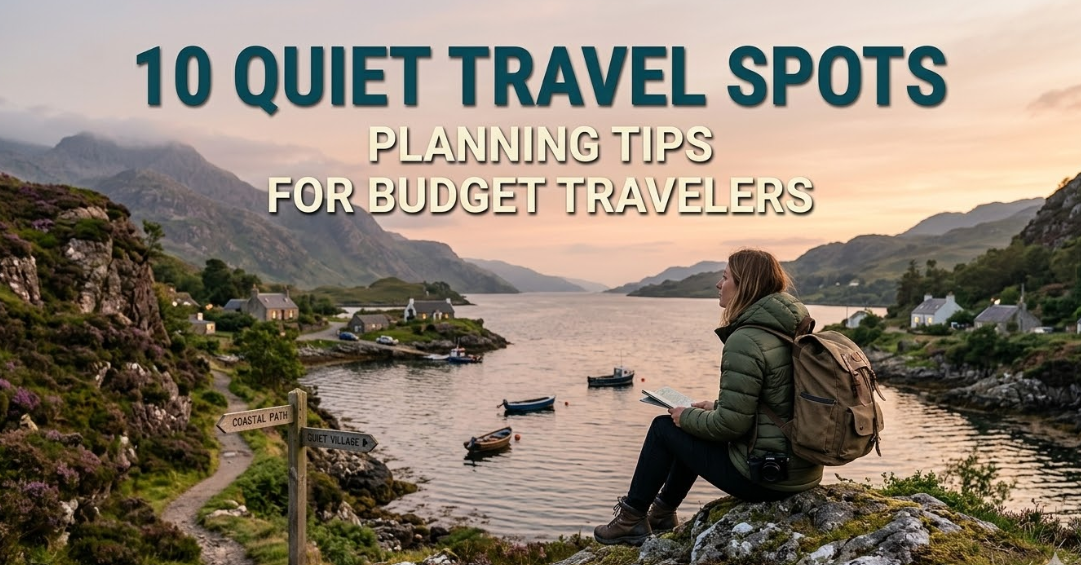
If you’ve ever stared at a map and felt the pull of somewhere far away from the selfie sticks and packed tour buses, you’re not alone. Quiet travel spots aren’t just about dodging crowds—they’re where you actually hear yourself think, where the days stretch out without anyone rushing you along the next must-see. And the best part? You don’t need a fat savings account or some fancy credit card to make it happen. Budget travelers like us have been figuring this out for years, piecing together cheap flights, local buses, and homestays that cost less than a night in a big-city hostel. The trick is picking places that haven’t exploded yet, timing your visit for the shoulder seasons, and leaning into the simple stuff like street food and free hikes. Over the years I’ve chased that kind of peace across continents on less than thirty bucks a day, and let me tell you, these ten spots deliver every time. They mix jaw-dropping nature with cultures that still feel genuine, and the planning tips I’ll share here come straight from real trips where I stretched every dollar without missing a thing. Whether you’re solo or with a partner, these are the kinds of places where your money buys silence, sunsets, and stories you’ll actually want to remember.
Quiet Travel Spot 1: The Albanian Alps, Albania
Picture winding up a gravel road into mountains that look like they were carved by giants, with stone houses tucked into valleys and rivers rushing below. The Albanian Alps, especially around Theth and Valbona, give you that raw, untouched feel without the Swiss prices. It’s one of those spots where you can hike all day and not see another soul except maybe a local shepherd waving from afar. The famous Valbona to Theth trail cuts right through national parks full of waterfalls and pine forests, and in shoulder season—think May or September—you basically have the place to yourself. Crowds haven’t hit here the way they have in Croatia or Greece, so the quiet hits different.
For budget planning, start with a flight into Tirana. Low-cost carriers like Ryanair or Wizz Air run deals from most European hubs for under fifty euros round-trip if you book a couple months out, and even from farther afield you can snag something under two hundred with a stop in Istanbul. From the airport, a bus or shared van to Shkodër costs around five euros, then another local ride north to the valleys for ten more. Once you’re there, skip the fancy guesthouses in town and head straight for family-run spots in Theth or Valbona. They charge fifteen to twenty-five euros a night and often throw in homemade breakfast and dinner—think fresh bread, cheese from their goats, and whatever they cooked that day. I once stayed in a stone house where the owner poured rakia after dinner and told stories till midnight; total cost for the room and two meals was under thirty.
Food keeps things cheap too. Local spots serve plates of grilled meat or veggies for five euros, and you can stock up on market bread and yogurt for a couple bucks. Skip the tourist cafes and eat where the hikers do—simple, filling, and authentic. Transport inside the region means renting a car for twenty euros a day or hopping on the occasional minivan; the hike itself is free, though a guide for the tougher sections runs ten if you want one. Aim for a seven-day loop: two days getting there and settling in, three for hiking and village wandering, and two easing back out. Total daily spend? Around thirty-five euros if you’re careful, including a bit of beer at night. One tip I always pass along—pack light layers because the nights get chilly even in summer, and bring cash because ATMs are spotty up there. Avoid July and August when a few more Europeans trickle in; go early or late and you’ll feel like the mountains belong to you. The quiet here isn’t just empty trails—it’s the kind that resets your whole head.
Quiet Travel Spot 2: Bolaven Plateau, Laos
Up on this elevated plateau in southern Laos, the air cools off, coffee bushes stretch for miles, and waterfalls tumble down cliffs you can swim under without a single tour group in sight. It’s the kind of place where you rent a scooter, pick a direction, and just go, stopping at tiny villages where kids wave and old ladies sell fresh pineapple for pennies. The Bolaven Loop takes you past places like Tad Fane and Tad Champee, where the water crashes so loud it drowns out everything else. Laos itself stays sparsely populated, and this region especially feels forgotten in the best way—seventy percent of the country is forest, and here it shows.
Budget-wise, Laos is a backpacker’s dream at twenty-five to thirty-five dollars a day. Fly into Pakse from Bangkok or Hanoi on budget airlines for under a hundred bucks, or take the sleeper bus from Vientiane for fifteen. Once on the plateau, a scooter rental runs five dollars daily, gas another two or three—perfect for covering the loop in three or four days without rushing. Accommodation comes as guesthouses perched on the edge of fields for ten to fifteen dollars, often with fans and mosquito nets and a view that costs nothing extra. I remember one spot where breakfast was coffee from the plantation right outside, strong and free-flowing. Meals stay under five dollars—noodle soups, grilled fish from the river, sticky rice wrapped in banana leaves from roadside stalls. Stock up at local markets and you’re set for picnics by the falls.
Planning the trip right means hitting it in the shoulder months like April or November when rains ease but tourists haven’t flooded back. Book nothing in advance except maybe the first night’s stay; everything else sorts itself out. For activities, the waterfalls are free to visit, and some coffee farms let you wander for a small donation. If you want deeper, join a village homestay for another ten bucks that includes dinner with the family—real Laotian cooking you won’t find in guidebooks. Total for a week: around two hundred dollars if you share the scooter with a travel buddy. Pack rain gear because showers pop up, and learn a few Lao phrases; people open up fast when you try. The quiet here comes in layers—the hum of cicadas, the distant water, and the slow pace that makes you forget what day it is.

Quiet Travel Spot 3: Salar de Uyuni, Bolivia
Out in the southwest of Bolivia, the world’s largest salt flat stretches like a white mirror under the sky, reflecting clouds so perfectly you lose track of where land ends and heaven begins. At sunrise or after rain, it turns into this otherworldly landscape where you can walk for hours and see nothing but hexagons of salt and maybe a flamingo or two in the distance. The three-day tours take you through colored lagoons and cactus islands, but the real magic is the silence—it’s so vast it feels like the planet paused just for you. Bolivia keeps prices low, and this corner stays remote enough that even in peak season the groups spread out.
Daily budgets hover around twenty-five to thirty dollars outside the tour. Fly into La Paz or arrive by bus from Chile or Peru—overland from Uyuni town is easiest and cheapest. The town itself has hostels for ten dollars a night with hot showers after the cold nights on the flats. For the tour, shop around in Uyuni for group deals at a hundred sixty dollars for three days including meals, jeep, and basic lodging in salt hotels. That covers everything from sunrise on the salt to visits to the train cemetery and hot springs. Eat local quinoa soups or llama steaks for three or four dollars—Bolivian markets keep you fueled cheap.
Plan for the wet season December to March if you want the mirror effect, but go dry season for fewer people and clearer skies. Bring sunglasses and sunscreen because the reflection is brutal, and layers because nights drop below freezing. Skip the fancy private tours; shared ones are just as good and half the price. A sample week: two days in Uyuni prepping, three on tour, two recovering or heading to Potosi for more cheap mining-town vibes. Cash is king here—ATMs fail often—so withdraw in La Paz. The quiet is absolute; standing in the middle of ten thousand square kilometers of white with only wind in your ears is something you carry forever. Budget tip: combine with Lake Titicaca nearby for another few days of peaceful island hopping on even less money.
Quiet Travel Spot 4: Ha Giang Province, Vietnam
Northern Vietnam’s Ha Giang loops through karst mountains and rice terraces that change color with the seasons, and the roads wind so dramatically you feel like you’re in a movie. Villages of ethnic minorities dot the hills, offering homestays where you sit by the fire and hear stories passed down generations. It’s quieter than Sapa because most travelers stop short, leaving the far northern loop almost empty in off months. You rent a motorbike and chase sunrises over valleys that stretch forever.
Vietnam’s daily costs sit around twenty to thirty dollars. Cheap flights into Hanoi from anywhere in Asia run under a hundred, then an overnight bus or sleeper train north for fifteen more. In Ha Giang town, grab a bike for six dollars a day and hostels or homestays for ten. Meals of pho or bun cha cost two bucks on the roadside. Plan four days on the loop, staying in different villages each night—some places charge twelve dollars including dinner with the family. Go in March or October when rice is golden but tourists thin out. Pack a good rain jacket and helmet; roads get slippery but the views reward every turn. Skip organized tours; self-driving saves half and feels freer. Total week spend under two hundred if you eat local and share gas. The quiet hits when you pull over on a pass, engine off, and just listen to the wind through the terraces.
Quiet Travel Spot 5: Transylvania’s Carpathian Villages, Romania
Medieval churches and fortified towns tucked into green mountains where bears roam the forests but people still wave from horse carts. Places like Viscri or Biertan feel frozen in time, with cobbled lanes and no billboards anywhere. The Carpathians offer hikes through beech forests where the only sound is birds and your own footsteps. Romania stays one of Europe’s cheapest, and these villages see far fewer visitors than Dracula castles in Brasov.
Daily budget around thirty to forty dollars. Fly into Bucharest or Cluj for cheap fares, then trains or buses to Sighisoara for under twenty. Homestays in villages run fifteen a night with breakfast. Meals of sarmale or mamaliga cost four or five euros. Rent a car for thirty a day to explore freely or use local buses. Shoulder season April or October keeps it quiet and prices low. A week itinerary: base in one village, day-trip to others, hike the hills. Bring sturdy shoes and a flashlight for evening walks. The quiet here feels historic—like stepping back centuries without the cost.
Quiet Travel Spot 6: Svaneti Region, Georgia
Tower houses rise against snow-capped peaks in Georgia’s high Caucasus, where hiking trails lead to glaciers and ancient churches no one else seems to visit. Mestia and Ushguli stay remote, with homestays serving khachapuri and homemade wine for pennies. The mountains block out the world, leaving you with pure air and silence broken only by cowbells.
Georgia’s twenty-dollar daily budget shines here. Fly into Tbilisi cheap, then marshrutka vans north for ten bucks. Guesthouses charge fifteen including meals. Local food and hikes are free or cheap. Visit May or September for empty trails. Pack warm layers; rent horses for ten a day. The peace feels ancient.
Quiet Travel Spot 7: Asturias and Picos de Europa, Spain
Green hills roll to dramatic coasts in northern Spain, with fishing villages and mountain trails where cider flows cheap and crowds stay south. The Picos offer hikes with views that rival the Alps but cost a fraction. Villages like Cangas de Onis feel lived-in, not touristy.
Spain’s budget stretches with hostels at twenty euros and tapas for five. Fly into Oviedo cheap from Europe, then buses. Shoulder season keeps it quiet. Daily thirty euros covers everything. The quiet is that perfect European countryside hush.
Quiet Travel Spot 8: Baja California Peninsula, Mexico
Desert meets sea in Baja, with whale watching in lagoons and empty beaches where you camp for almost nothing. La Paz and Todos Santos offer calm vibes, vineyards, and sunsets without lines.
Mexico budgets at forty dollars daily. Fly cheap into Tijuana or La Paz. Hostels fifteen, tacos two bucks. Rent a car or bus. Off-season quiet. The silence by the Pacific hits deep.
Quiet Travel Spot 9: Cardamom Mountains, Cambodia
Jungle-covered hills hide waterfalls and eco-lodges where wildlife outnumbers people. Koh Rong Sanloem island adds beaches with few footprints.
Cambodia’s twenty-five dollar days rule. Fly Phnom Penh cheap, then buses. Homestays ten bucks. Rainy season quieter. The forest quiet wraps around you.

Quiet Travel Spot 10: Khuvsgul Lake and Steppe, Mongolia
Endless grasslands meet the blue lake where nomads offer gers for ten dollars a night. Horse treks and stargazing with zero light pollution.
Mongolia’s twenty-dollar budget works wonders. Fly Ulaanbaatar, then vans. Summer shoulder keeps quiet. The vast open space quiets the soul.
Wrapping it all up, these spots prove you don’t need thousands to find real peace—just smart planning, flexible timing, and a willingness to eat local and move slow. Start with one, build the skills, and soon you’ll be chasing quiet corners worldwide without breaking a sweat—or the bank. The world still has pockets like these waiting, and your budget version of them feels even sweeter when you earn every calm moment yourself. Safe travels, and remember: the best views always come to those who go a little off the map.