
Meta Description: Quiet travel spots saved me from burnout when nothing else would. Here are 7 of the most peaceful places I explored to recharge my energy, my focus, and my calm — one trip at a time.
7 Quiet Travel Spots That Finally Helped Me Escape Burnout
I literally woke up exhausted every morning at one point.
I had a packed schedule, a ringing phone, and absolute reluctance to pick up either. I wasn’t sick. I wasn’t lazy. I felt burned out — utterly, truly burned out.
Nothing at home seemed to work. The notifications, the noise, the to-do lists. All of them trailed me from room to room.
So I left.
Not with a scheduled itinerary or travel bucket list. I just found quiet places. Slow places. Where the loudest noise was wind in trees or water on rocks.
And it worked.
This is an article about those seven quiet travel spots — and why each of them restored to me something I didn’t realize I had lost.
How Burnout Actually Feels (Before We Discuss Travel)
Burnout is more than being exhausted after a grueling week. It’s a leaden, empty feeling that sleep cannot shake away.
You lose motivation. Small tasks feel enormous. You start not enjoying things you once loved. Your brain’s a little cloudy, like an internet browser with too many tabs open.
The World Health Organization currently classifies burnout as an occupational phenomenon. Research indicates that taking a break from your familiar surroundings — particularly nature or other tranquil environments — reduces cortisol levels and restores mental acuity.
That’s not just a nice idea. That’s science.
But you don’t need a research paper to tell you that getting away to a peaceful place is better than being stuck in traffic. You already know that. What you don’t know is which types of places work best — and why they work.
That’s what I discovered the hard way.
Here’s a quick at-a-glance look at all seven quiet travel destinations featured in this article, including what made each of them special.
| # | Destination | Location Type | Best For |
|---|---|---|---|
| 1 | Faroe Islands | Remote archipelago | Deep silence seekers |
| 2 | Kyoto side streets | Ancient city pocket | Mindful wanderers |
| 3 | Colmar, Alsace | Fairytale village | Slow-pace lovers |
| 4 | Oaxacan Highlands | Mountain village | Creative rechargers |
| 5 | Cinque Terre (off-season) | Italian coastal trail | Solo hikers |
| 6 | Luang Prabang | Temple town, Laos | Spiritual resetters |
| 7 | Scottish Highlands | Wild open landscape | Nature immersion |
1. The Faroe Islands — Where the Wind Does the Talking
The Faroe Islands are located between Norway and Iceland in the North Atlantic Ocean. They are hardly household names. That’s exactly the point.
I flew into Vágar Airport, rented a compact car, and drove. There were no traffic jams. No honking. There were no billboard ads yelling at me to buy something.
Just green cliffs. Fog. And the ocean crashing below.
Why This Place Combats Burnout
The Faroes are a place where you have to slow down. The weather changes every hour. You can’t plan too tightly. You need to adjust and be aware, and just… be in the moment.
There is a psychological phenomenon known as “awe.” It’s what you feel when witnessing something so vast or beautiful it temporarily silences your internal monologue. Research from the University of California found that feeling awe decreases self-referential thinking — which is what keeps burned-out people circling in their heads.
Looking out over Sørvágsvatn — a lake that just kind of floats above the ocean — I felt it deep. My to-do list evaporated.
What to Actually Do There
There is no pressure to pack in the activities. Hike the trails out from Gásadalur village. Sit by the waterfall. See puffins nest on the cliffs at Mykines Island.
Have lamb and potatoes at a tiny village restaurant. Go to bed early, because it gets dark and quiet and there’s nothing else to do.
That’s the whole point.
2. Kyoto — The Secret Side Streets Nobody Goes To
They all go to Kyoto for Fushimi Inari and the bamboo grove at Arashiyama. Those places are packed. Loud. Full of selfie sticks and tour group flags.
I’m not talking about those Kyotos.
I’m referring to early morning rambles down Nishiki Koji — a narrow alley lined with old machiya townhouses. I mean sitting alone in a tiny kissaten (old-style coffee shop) where the owner serves one cup at a time and no one speaks above a whisper.
Finding Stillness Amid the Bustle of a Big City
Kyoto taught me that quiet travel destinations don’t need to be far away. They are tucked away in unlikely spots — if you know where to look and are willing to rise early.
The key is timing. The touristy sites are deserted at 6 a.m. By 9 a.m., tour buses are pulling in. There’s no magic that takes place after 10 a.m.
I had five days of walking streets that most tourists avoid. Fushimi Neighborhood. The backroads of Higashiyama. Unmarked shrines with no name plaques in English, where locals come to pray in silence.
What Kyoto Gave Me Back
Kyoto works on a whole other energy: restraint. Everything is considered — the placement of a stone in a garden, the fold of a cloth on a shelf, the speed at which a shopkeeper moves.
That energy is contagious. After a couple of days, I was moving more slowly. Thinking before I spoke. Not rushing to fill silences.
For someone whose burnout was in part a product of relentless urgency, that was medicine.
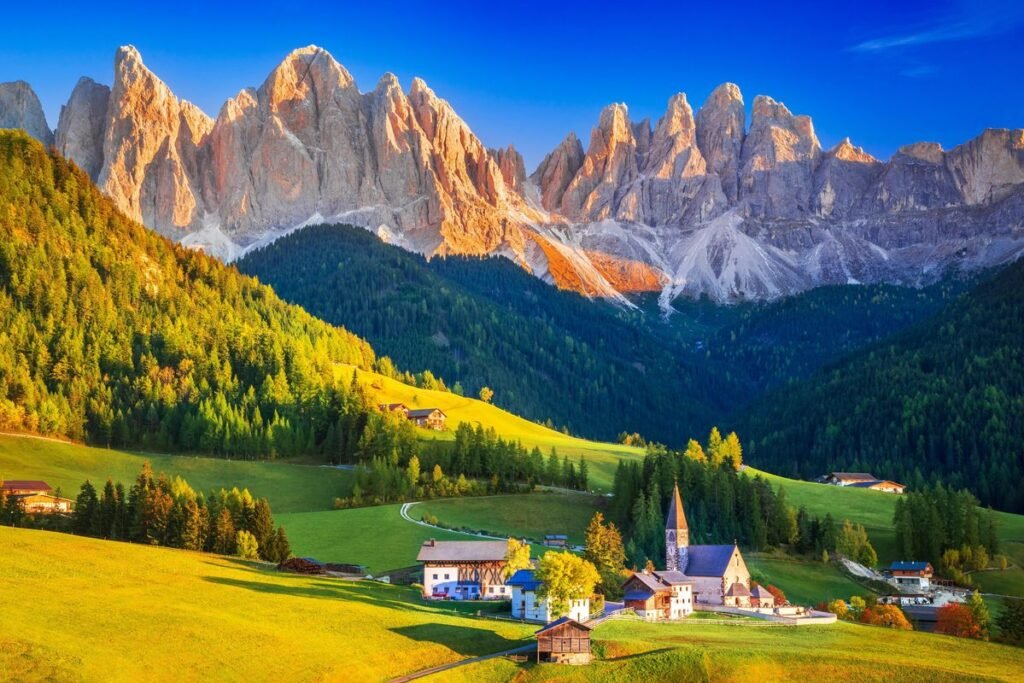
3. Colmar, Alsace — A Town That Seems Like a Dream You Once Had
Colmar is a small city in northeastern France, near the border with Germany. It seems like someone found a medieval village and somehow preserved it in absolute perfection.
Pastel-painted half-timbered houses. Canals with flower boxes on every window. Streets so narrow you can reach out and touch both walls at once.
Why Small Towns Heal Differently
Big cities stimulate. Small towns restore.
In Colmar, I didn’t feel behind. Everyone appeared to be in no rush to go anywhere. The bakeries opened slowly. The wine bars filled slowly in the evening. Conversations unfolded without screens in anyone’s hands.
This matters because burnout is frequently linked to an unyielding feeling of falling behind. Each notification is the world reaching out to you saying there’s more to do. Towns like Colmar exist outside of that system altogether.
For three days, I didn’t open my work email once.
The Alsatian Way of Doing Nothing Well
The French call it “l’art de vivre” — the art of living. In Colmar, it was not a lifestyle brand. It was just… Tuesday.
I ate long, slow lunches. Wandered through the Unterlinden Museum at my leisure. Bought a wedge of Munster cheese from a market stall, and ate it on a canal bench as if it were the most important thing I had to do that day.
It was.
4. The Oaxacan Highlands, Mexico — Where Creativity Quietly Comes Back
Most people know Oaxaca for its food. The mole. The tlayudas. The mezcal.
But the highlands above the city — villages like Teotitlán del Valle, San Marcos Tlapazola, and the road to Hierve el Agua — are another world altogether.
Red clay mountains. Weavers at their looms in open doorways. The smell of copal incense wafting from tiny chapels.
When Burnout Kills Creativity
One of the cruelest parts of burnout is what it does to creativity. You used to have ideas. Now you sit staring at a blank screen. You used to be able to solve problems easily. Now everything feels like a brick wall.
The Oaxacan highlands did something specific for me. They traded visual noise for visual richness. Instead of screens and ads and urgency, I was eye-to-eye with hand-dyed wool in forty shades of natural color. Instead of sitting in meetings, I was watching a woman grind cacao on the stone metate her grandmother had used.
That change in sensory input stirred something awake again.
A Quiet Creative Reset
I’m not an artist. But I bought a small sketchbook in Oaxaca City and just began to draw what I saw. Badly, at first. Then less badly. One of the most present-making activities I know is looking closely at something and attempting to capture it on paper.
By day four, I was finally sleeping soundly for the first time in months.
5. Cinque Terre in November — Italy With the Volume Turned Down
Cinque Terre in summer is beautiful and frankly exhausting. The five villages cling to steep cliffs overlooking the Ligurian Sea, and between June and August virtually every trail and terrace is shoulder to shoulder with visitors.
November is different.
The Magic of Off-Season Travel
When I arrived in Vernazza on a Tuesday in November, the main square contained four people. The gelateria was still open. One restaurant served its pasta and, without my asking, the owner brought out a glass of local white wine.
The trails were wet, and they smelled of rosemary and pine. I hiked from Vernazza to Monterosso in the still grey morning and didn’t see another person for forty minutes.
That is one of the most valuable things there are in this world.
What the Sea Does for a Weary Mind
There is a growing body of evidence to suggest that spending time by the water — what researcher Dr. Wallace J. Nichols calls “blue mind” — reduces stress and boosts mood. The sound, movement, and visual horizon seem to unlock a much calmer kind of thinking.
Standing on the cliffs above Cinque Terre in the fog, with nothing but grey sea and distant hills visible, I felt my shoulders drop. Actually, physically drop. I didn’t know I had been holding them up around my ears for weeks.
6. Luang Prabang, Laos — A Town That Teaches You to Be Still
Luang Prabang lies at the confluence of two rivers in northern Laos. It’s a UNESCO World Heritage town, so much of it is preserved. The streets are lined with French colonial structures and orange-robed monks strolling in peaceful lines.
It is one of the most peaceful places I have ever visited.
The Morning Alms Ceremony
Every morning before dawn, monks walk through the streets collecting food from residents and visitors. It’s called the tak bat.
You don’t photograph it. You don’t perform for it. You just stand at the edge of the street and watch in silence.
I did this every morning for five days. It was the best part of my day. There’s something so powerful about starting your morning in stillness, watching a ritual that has taken place in exactly the same way for hundreds of years. It puts your inbox in perspective.
Slow Boats and River Time
From the Thai border to Luang Prabang, I took a two-day slow boat up the Mekong River. No wifi. No agenda. Just the river, the jungle on either side, and the drone of the engine.
It was the first time in more than a year that I had nothing to do and nowhere to go.
On day two, I cried a little. Good tears. The kind that arrive when something releases.
7. The Scottish Highlands — Space So Large It Clears Your Head
The Scottish Highlands are vast, windswept, and almost wholly devoid of people.
Drive north from Inverness and the settlements grow sparser. By the time you reach Torridon, or the road to Applecross, or the far northwest near Durness, you are in some of Europe’s least populated terrain.
What Vastness Does to the Mind
A big empty space makes your problems small. Not metaphorically — actually, neurologically. Researchers investigating the “small self” effect have discovered that spending time in large natural settings decreases egocentric thinking and increases feelings of being part of something larger than oneself.
I drove the NC500 route over five days, stopping when and where I pleased. A beach all to myself near Tongue. A crumbling castle on a headland overlooking Loch Eriboll. A glen so quiet I could hear my own heartbeat.
The Highlands as a Place to Think — Or Not Think at All
Here’s the thing about the Highlands. You can go there to think, and the space will help you think clearly. Or you can go there to not think, and the space will warmly absorb all that quiet without asking anything of you in return.
I went to not think. I spent hours sitting on hillsides watching clouds pass. I walked in the rain without caring that I was wet. I ate fish and chips in tiny harbor towns and was genuinely happy for the first time in months.
What All Seven Places Have in Common
In retrospect, these quiet travel spots worked in very different ways on the surface. But a few things were common to all of them.
| What They Shared | Why It Matters |
|---|---|
| Low sensory noise | No ads, crowds, or constant urgency |
| Natural rhythms | Seasons, tides, and sunrise reset your body clock |
| No fixed agenda | Permission to wander heals decision fatigue |
| Moments of awe | Landscape bigger than yourself shrinks rumination |
| Slowness built in | The environment enforces rest, not willpower |
All of these places diminished sensory noise, eliminated urgency, and put me in touch with something larger than my own problems. That combination is the recipe.
If you’re looking for more destinations like these, Quiet Travel Spots is a great resource for finding peaceful, off-the-beaten-path places designed exactly for this kind of restorative travel.
How to Tell If You Need a Quiet Travel Getaway
Not every holiday is a burnout cure. A party vacation can be fun. A full sightseeing tour can be exhilarating. But neither of those will rehabilitate a depleted nervous system.
Here are some signs you may need the kind of quiet travel referred to in this article:
You feel tired even after sleeping. You don’t care about things that used to thrill you. Being in large groups of people exhausts you rather than energizes you. You fantasize about being somewhere completely different. Your head feels foggy and slow most of the time.
If three or more of those seem familiar, a quiet trip — even a short one — may be just what you need.
Practical Tips for Planning a Burnout Recovery Trip
You don’t have to fly to the Faroe Islands to reap this reward. Here are some principles that generally hold, no matter where you go.
Choose somewhere with less noise, not more. Forget the “top ten tourist hotspots” list and seek lesser-known alternatives instead.
Travel during the off-season if you can. Fewer people opens up space for your mind.
Leave your itinerary loose. Plan a place to sleep. Leave everything else open.
Limit your screen time deliberately. You don’t have to declare a digital detox. Simply put your phone in your bag and leave it there.
Give it at least three days. The first day is usually decompression. The second day your body catches up. Day three is when you begin to feel it for real.
FAQs: Quiet Travel Spots and Burnout Recovery
Q: Does a short trip actually help with burnout, or just postpone it?
Taking a short trip may not remedy the underlying cause of burnout — if your job or life situation is unsustainable, that’s something you will need to work on as well. But studies suggest that even short breaks spent in truly restorative environments can lower cortisol and improve cognitive function, allowing you to return to your responsibilities with greater mental clarity and decision-making power. It’s like recharging enough to figure out what needs changing.
Q: Do these quiet travel spots suit introverts better than extroverts?
Not necessarily. Burnout hits both types of people, but it has different symptoms. Extroverts may find that small, calm social settings — such as a village dinner or a quiet café — are more restorative than draining. Introverts tend to benefit more from solitary natural settings. The trick is to select places where the social pressure is low and the pace is slow.
Q: What if I don’t have the budget to travel internationally right now?
Quiet travel doesn’t need to mean expensive travel. The principles apply anywhere. The same basic ingredients of low noise, natural rhythm, and freedom from urgency can be found in a long weekend at a rural guesthouse, a camping trip near a national park, or even a few days at a closer, less-familiar coastal town.
Q: How do I avoid the post-trip crash when I return home?
This is real and common. The trick is not jumping back into full intensity right away. Try to create one buffer day at home before returning to work. While on the trip, see if you can identify one or two things in your everyday life that you are able to change permanently — a boundary, a habit, a reduction. The trip works best when it gives you space to see what needs to shift, and you actually make that shift.
Q: Is it okay to travel alone to these places?
Certainly — solo travel to quiet places is generally more restorative than traveling in groups. You do everything at your own pace, you don’t need to negotiate with anyone else, and you can be completely present without social obligation. For many people, solo quiet travel is when they reconnect with themselves most fully.
Q: Are these quiet travel spots safe for solo female travelers?
The destinations listed — the Faroe Islands, Kyoto, Colmar, the Oaxacan highlands, Cinque Terre, Luang Prabang, and the Scottish Highlands — are all relatively safe destinations. As with any travel, basic precautions still hold: research your specific area, notify someone of your plans, and trust your instincts. Both the Faroe Islands and Scottish Highlands are extraordinarily safe and low-crime.
Coming Back Different: The Real Point of All This
I returned from each of these journeys a little changed from when I set out.
Not dramatically changed. Not enlightened. Just… quieter inside. More comfortable sitting with discomfort instead of immediately filling it. More aware of what really matters and what has simply been conditioned into me as urgent.
Burnout didn’t permanently dissolve after any one trip. Life kept happening. But I had reset the baseline. I had re-educated my nervous system about what calm felt like. And when things became overwhelming again — as they always do — I had a reference point.
That’s the true gift of quiet travel spots. Not the Instagram photo. Not the story you share at dinner parties.
It’s the internal readjustment that occurs when you stop, get somewhere still, and give your true self time to catch up with your life.
Conclusion: Quiet Is Not Empty — It’s Full
We are taught that rest means not getting anything done. But the best rest I’ve had didn’t feel like nothing. It felt like everything.
It felt like standing on a cliff in the Faroe Islands with wind so loud I couldn’t hear my own thoughts. Like sipping coffee in an alley in Kyoto while monks passed by in silence. Like watching the Mekong River move slowly with nowhere else to be.
These serene destinations didn’t remedy my burnout. I had to do that work myself.
But they returned something important to me: the realization that calm is real, that it’s accessible, and that I can return to it whenever I choose to.
If you’re burned out right now, I’m not going to tell you to just take a vacation. I’m going to tell you to find somewhere quiet. Give it three days. Keep your phone in your bag.
Let the place be what it is meant to be.
You’ll know when it’s working.