
Meta Description: Hidden quiet travel spots by the sea are disappearing fast. Discover 8 secret coastal getaways that still feel raw, wild, and blissfully untouched by mass tourism.
8 Under the Radar Coastal Destinations That Seem Untouched
The World Still Has Secret Coastlines — You Just Have to Know Where to Look
Most beaches are crowded. The iconic beaches are lined with sunbeds, selfie sticks, and souvenir shops. But if you search a little more, there are still places where the sea meets the land in silence.
No tour buses. No Instagram influencers. Nothing but wind, water, and wild beauty.
These low-key coastal travel spots are not urban legends. They exist. And the people who discover them seldom mention them. That’s precisely why they remain pristine.
This guide reveals eight of the most beautiful, off-the-beaten-path coastal places on the planet. Each feels like entering a world that time forgot.
Whether you’re seeking peace, adventure, or simply a place to breathe, these destinations will deliver.
Why Quiet Coastal Travel Is So Popular Right Now
People just don’t want overcrowded beaches anymore. A 2023 travel survey from Booking.com found that 72% of travelers said they want to avoid tourist crowds on their next trip. Many are now in pursuit of slow travel, nature, and authenticity.
The good news? The quietest coastlines are also some of the most beautiful.
| Travel Type | Crowd Level | Cost Rating | Nature Score |
|---|---|---|---|
| Popular Beach Resorts | Very High | $$$$ | ⭐⭐ |
| Hidden Sea Spots | Very Low | $–$$ | ⭐⭐⭐⭐⭐ |
| Off-Season Coast Travel | Low | $$ | ⭐⭐⭐⭐ |
| Remote Island Stays | Very Low | $$–$$$ | ⭐⭐⭐⭐⭐ |
The pattern is clear. The quieter the spot, the richer the experience — and often the lighter the cost.
How We Chose These 8 Hidden Spots
Every destination on this list meets three rules:
- Low tourist traffic — no cruise ship ports of call, no major hotel chains
- Untamed nature — clean water, wildlife, and pristine landscapes
- Real local life — small fishing villages, traditional culture, minimal commercialization
These are not “hidden gems” that travel blogs blew up overnight. These are places that are genuinely hard to reach — and absolutely worth the effort.
1. Svínoy Island, Faroe Islands 🇫🇴
Where the Ocean Devours the Horizon
The Faroe Islands are already off most travel maps. Svínoy is even further off. This tiny North Atlantic island has fewer than 30 residents.
You reach it by helicopter or ferry. The ferry does not operate every day.
But when you arrive, you enter an unreal-looking landscape. Sheer green cliffs plunge directly into iron-grey sea. Waterfalls tumble off the edges of the world. There are no hotels — just a tiny guesthouse.
The island has been settled since the Viking Age. Local families still fish the same waters their forebears did.
Why it feels untouched:
- No roads connecting it to other islands
- Accessible only twice a week in summer
- No commercial tourism infrastructure
Best time to visit: June to August for long daylight hours. Be prepared for dramatic fog and wind — that’s part of the magic.
2. Comporta, Portugal 🇵🇹
The Anti-Algarve Coast
Portugal’s Algarve is iconic — and crowded. But two hours north of Lisbon, Comporta lays low on a thin sliver of land between rice paddies and Atlantic dunes.
The beach here stretches for 30 kilometers with hardly a soul on it. Wild horses occasionally roam the dunes. Flamingos forage in the nearby lagoons. Fishermen hawk the day’s catch from wooden stalls.
A small, design-savvy crowd has been charmed by Comporta’s low-key beauty. But it hasn’t been overdeveloped. Strict conservation laws protect most of the land from building.
| Feature | Details |
|---|---|
| Beach Length | 30 km |
| Nearest City | Setúbal (45-minute drive) |
| Wildlife | Flamingos, wild horses, dolphins |
| Accommodation | Small eco-lodges, rustic villas |
| Average Visitor Volume | Very low compared to Algarve |
The vibe here is effortlessly cool without the crowds. You dine on fresh seafood at wooden shack restaurants, swim in placid Atlantic waters, and sleep with windows open to ocean breezes.
Pro tip: Go in May or September. The weather is perfect and the beach is practically empty.
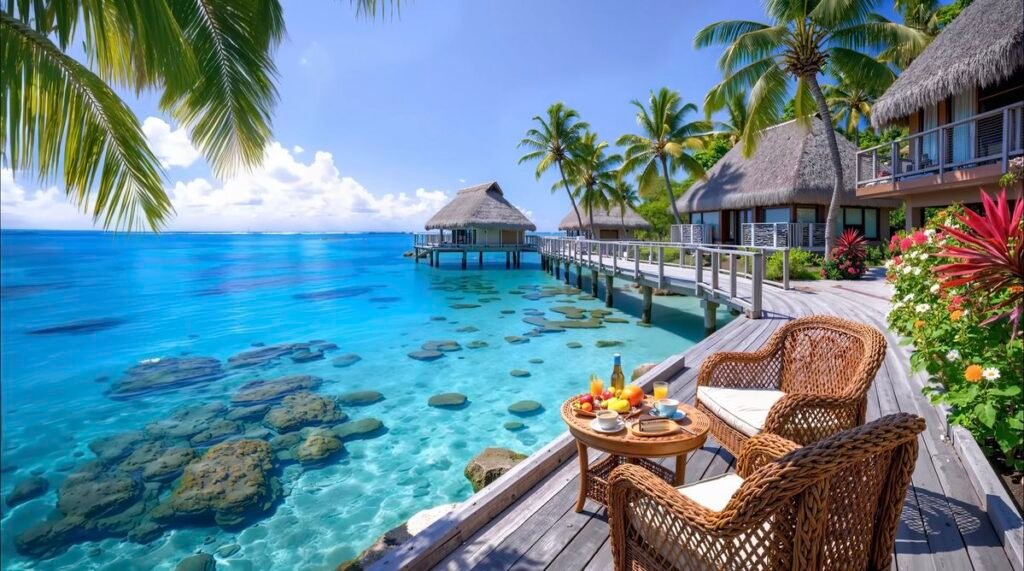
3. Gokarna, Karnataka, India 🇮🇳
The Temple Town With Hidden Beaches
Goa gets all the attention. But just 200 kilometers south, Gokarna lies among ancient Hindu temples and beaches that most tourists never discover.
The town itself is a sacred pilgrimage site. The beaches — Om Beach, Half Moon Beach, Paradise Beach — are only reachable by footpath or boat. Half Moon Beach has no road access whatsoever.
Walk the coastal trail past boulders and jungle, and you’ll arrive at beaches with virtually no one on them.
What Makes Gokarna Special
The contrast here is extraordinary. You wake to temple bells and incense in the air. By noon, you’re swimming in turquoise Arabian Sea water with near-total solitude.
There are small beach shacks serving simple meals. No five-star resorts. No loud clubs. Just hammocks, stars, and silence.
If you’re the kind of traveler who loves discovering places like this, Quiet Travel Spots is a brilliant resource for finding more hidden coastal escapes around the world.
Best beaches to visit:
- Om Beach — named because from above it resembles the Hindu symbol ॐ
- Half Moon Beach — reachable only by trail or boat
- Paradise Beach — the most secluded, a 45-minute walk from Om Beach
Best time to visit: October to March. Avoid monsoon season (June–September) when the sea is rough.
4. Kotor’s Hidden Coves, Montenegro 🇲🇪
Europe’s Best-Kept Coastal Secret
Montenegro doesn’t get the attention that Croatia or Greece does. But the Bay of Kotor — a deep, winding bay ringed by mountains — is genuinely one of Europe’s most dramatic seascapes.
Most visitors go to the town of Kotor itself. Only a handful venture into the small coves hidden along the bay’s edges.
Rent a small boat and trace the shoreline. You’ll discover coves where the water is so clear you can count rocks 10 meters below. Ancient stone churches rest on tiny islands. Villages without roads seem to have slept for centuries.
The Boat Route Worth Taking
Depart from Kotor harbor in the early morning. Head across to Perast, a Baroque village of 300 people. Then continue to the island of Gospa od Škrpjela — built, stone by stone over centuries, by fishermen on a reef.
From there, seek out the quiet coves near Dobrota and Prčanj. These small beaches are known only to locals. In summer, the water temperature can reach 25°C.
Quick comparison — Bay of Kotor vs. Dubrovnik:
| Factor | Bay of Kotor | Dubrovnik |
|---|---|---|
| Crowd Level | Low–Medium | Extremely High |
| Cruise Ship Traffic | Minimal | Daily (up to 8 ships) |
| Cost of Eating Out | $ | $$$ |
| Authentic Local Culture | Strong | Diluted by tourism |
| Scenic Beauty | Exceptional | Exceptional |
The verdict? Kotor offers the same Adriatic beauty with a fraction of the crowds and cost.
5. Skeleton Coast, Namibia 🇳🇦
Where the Desert Meets the Cold Atlantic
This one isn’t for the faint-hearted. The Skeleton Coast — a 500-kilometer stretch of Namibia’s Atlantic shoreline — is among the most isolated places on Earth.
It was named after shipwrecked sailors and whale bones left behind by 19th-century hunters. The name still fits. Rusting shipwrecks lie half-buried in sand. Seal colonies bark in the surf. Desert-adapted lions stroll the beach at dawn.
There are almost no facilities. You need a 4×4 vehicle, advance permits, and serious preparation.
But what you get in return is something virtually no traveler ever sees: a completely wild coastline where nature does exactly as it pleases.
The Wildlife You’ll Actually See
- Cape fur seals — colonies of up to 100,000 animals
- Brown hyenas — scavenging along the tideline
- Desert elephants — sometimes making their way to the sea
- Mola mola (ocean sunfish) — spotted offshore
Visitor Numbers per Year (Approximate):
| Destination | Annual Tourists |
|---|---|
| Skeleton Coast NP | ~6,000 |
| Kruger National Park | ~1.5 million |
| Serengeti | ~350,000 |
| Namib-Naukluft | ~200,000 |
The Skeleton Coast receives a fraction of what other African parks see. If you want raw Africa with the ocean, this is it.
Best time to visit: May to October (dry season). Permits required — apply through Namibia Wildlife Resorts.
6. Koh Kood, Thailand 🇹🇭
The Island Koh Samui Used to Be
Koh Samui used to be a hidden paradise. Now it has malls, McDonald’s, and party resorts. But in the far southeast of the Gulf of Thailand, Koh Kood is what Samui used to be.
No airport. No big resort chains. No Full Moon Party.
Instead: dense jungle, waterfalls tumbling into the sea, fishing villages where children play on the docks, and beaches where the sand is so white it mirrors the sky.
Koh Kood is the fourth-largest island in Thailand but one of the least visited. Getting there requires a flight to Trat, then a speedboat or slow ferry.
Life on the Island
There are no 7-Elevens here. You buy fresh fruit from a woman with a bicycle cart. Guesthouses have maybe eight rooms. The loudest sound at night is frogs.
Snorkeling around Koh Kood reveals coral reefs that are still alive and vibrant — a rarity in Thailand after decades of over-tourism and bleaching events.
Koh Kood at a glance:
| Feature | Details |
|---|---|
| Island Size | 105 sq km |
| Permanent Population | ~3,000 |
| Main Activities | Snorkeling, jungle trekking, kayaking |
| Accommodation Style | Eco-bungalows, small guesthouses |
| Flight + Ferry Time from Bangkok | ~2.5–3 hours |
Best time to visit: November to April. The island quiets down during monsoon season, though some guesthouses remain open year-round.
7. Romblon Island, Philippines 🇵🇭
The Marble Island Nobody Talks About
The Philippines has more than 7,000 islands. Most travelers head to Palawan, Boracay, or Siargao. Almost nobody talks about Romblon.
This small island in the Sibuyan Sea is renowned in the Philippines for one thing: marble. The island produces some of the finest marble in Asia, and local sculptors have been carving it for generations.
But what travelers don’t realize is that Romblon also has pristine beaches, Spanish colonial ruins, and dive sites with zero crowds.
Hidden Beaches Worth the Journey
Tiamban Beach stretches for kilometers with white sand and clear water. On a busy day, you might share it with ten other people.
Bonbon Beach is a sandbar that shifts with the tide. At low tide, you can walk far out into the sea along a thin strip of white sand surrounded by turquoise water.
The diving around Romblon is world-class. The Coral Garden site near Alad Island has some of the most colorful hard coral formations in the Philippines — and you’ll likely have the whole reef to yourself.
Getting there: Fly from Manila to Tablas (1 hour), then take a ferry to Romblon town. It’s not an easy trip — but that’s precisely why it stays quiet.
Best time to visit: March to May. Dry conditions, calm seas, and maximum visibility for snorkeling and diving.

8. Outer Villages of the Lofoten Islands, Norway 🇳🇴
Beyond the Postcard View
Norway’s Lofoten Islands have become famous. But the crowds gather at just a handful of spots — Reine, Henningsvær, Å. The outer villages and untouched coastlines remain almost completely empty.
Drive or cycle past the famous Instagram viewpoints and keep going. You’ll find:
- Tiny fishing hamlets where the only guesthouse is someone’s spare bedroom
- Sea eagles circling above fjords
- White sand beaches with water you’d swear was the Caribbean — except it’s Arctic Norway
The contrast is surreal. Turquoise water, white sand, mountains behind you, and no one else around.
The Wild Side of Lofoten
Unstad Beach is known to surfers but ignored by most tourists. On a winter morning, you can watch surfers in thick wetsuits riding waves while snow falls on the mountains behind them.
Nusfjord is one of Norway’s oldest fishing villages. It has been preserved almost exactly as it was a century ago. Walk the wooden docks and look into the water — it’s mirror-clear.
The hiking trails along Lofoten’s outer coast are spectacular and rarely crowded. Trails from Kvalvika Beach involve steep climbs but reward you with views that stop you cold.
Lofoten outer village highlights:
| Village / Spot | What Makes It Special |
|---|---|
| Unstad Beach | Surf culture, wild ocean, mountain backdrop |
| Nusfjord | Preserved 19th-century fishing village |
| Kvalvika Beach | Hike-in only beach, dramatic cliffs |
| Sund | Tiny village, cormorant colonies, old blacksmith |
Best time to visit: June to August for the midnight sun. January to March for the Northern Lights over the sea.
Quick Overview: All 8 Hidden Coastal Spots
| Destination | Difficulty to Reach | Crowd Level | Best Season | Highlight |
|---|---|---|---|---|
| Svínoy, Faroe Islands | High | Extremely Low | Jun–Aug | Viking isolation, cliffs |
| Comporta, Portugal | Low | Low | May, Sep | Wild dunes, flamingos |
| Gokarna, India | Medium | Low | Oct–Mar | Temple town, secret beaches |
| Kotor Coves, Montenegro | Low | Very Low | Jun–Sep | Crystal bay, boat routes |
| Skeleton Coast, Namibia | Very High | Extremely Low | May–Oct | Desert meets ocean, wildlife |
| Koh Kood, Thailand | Medium | Low | Nov–Apr | Jungle, coral reefs |
| Romblon, Philippines | Medium | Very Low | Mar–May | Marble island, diving |
| Lofoten Outer Villages, Norway | Low | Low | Jun–Aug | Arctic beaches, midnight sun |
Tips for Exploring Off-the-Beaten-Path Coastal Hideaways
Before you pack your bags for any of these destinations, keep a few things in mind.
Go in shoulder season. Even quiet places can feel busier during peak travel weeks. Visiting just before or after high season gives you the best weather with even fewer people.
Travel light and simply. There are no large luggage storage facilities, porters, or fancy check-ins here. Pack like you mean it.
Respect the silence. The stillness is part of what makes hidden quiet travel spots by the sea so special. Don’t bring a Bluetooth speaker. Don’t leave trash. Walk gently.
Book accommodation early — but don’t over-plan. Small guesthouses fill up fast. But leave room for spontaneous detours. The finest moments at quiet coastal spots often come from unplanned discoveries.
Support local businesses. Eat at family restaurants. Hire local guides. Buy from local markets. These places have stayed pristine partly because they’re not overrun with money from big tourism companies. Keep it that way.
What These Places Have in Common
These eight spots are wildly different in culture, geography, and climate. But they share something important.
They haven’t been packaged. They haven’t been sold. They haven’t been made easy.
That challenge — the extra ferry, the unmarked trail, the guesthouse with no Wi-Fi — is a feature, not a flaw. It’s the filter that keeps them quiet.
And here’s the thing about hidden quiet travel spots by the sea: the moment too many people find out about them, they change. So visit thoughtfully. Tread lightly. And maybe — just maybe — keep the secret a little longer.
FAQs: Hidden Quiet Sea Travel Destinations
Q1. What are the easiest hidden coastal spots to reach on this list? Comporta (Portugal) and the Bay of Kotor (Montenegro) are among the most accessible. Both have solid road access from major cities and require no special permits or long multi-leg journeys.
Q2. Are lesser-known coastal spots safe for solo travelers? Yes, most of them are. Comporta, Gokarna, Koh Kood, Lofoten, and Romblon are all considered safe for solo travel. The Skeleton Coast requires serious planning and is best visited with an organized tour or experienced guide.
Q3. How do I find accommodation in places with very few hotels? Check local travel forums, Facebook groups for expats or travelers in each region, and platforms like Airbnb, Booking.com, or Hostelworld. For very remote destinations like Svínoy, contact local tourism boards directly. Always book in advance.
Q4. Will visiting these places damage their natural environment? Only if done carelessly. Follow Leave No Trace principles. Don’t touch coral reefs. Don’t feed wildlife. Stay on marked paths in sensitive areas. Choose eco-certified accommodations where possible.
Q5. Are these hidden quiet coastal spots family-friendly? Several of them are great for families. Comporta, Koh Kood, and the outer villages of Lofoten are particularly well-suited for families with children. The Skeleton Coast and Svínoy are more appropriate for adults due to accessibility challenges.
Q6. How much does it cost to visit these places? It varies widely. Gokarna and Romblon are very budget-friendly — you can eat and sleep well for under $30 a day. Lofoten and the Faroe Islands are more expensive due to the high cost of living in Norway and Denmark, but still cheaper than mainstream tourist hotspots in those regions.
Q7. How do I avoid accidentally “overtouristing” a hidden spot? Travel in small groups. Stay in locally owned accommodations. Spread your visit across multiple days rather than day-tripping. Avoid posting exact GPS coordinates of untouched spots on social media.
The Last Word: Go Before Everyone Else Does
Hidden quiet coastal getaways don’t stay hidden forever.
The Algarve was once quiet. Bali was once empty. Santorini was once a secret.
The eight places in this guide still carry that rare quality — that feeling of arriving somewhere the world hasn’t fully noticed yet. But travel trends move fast. What’s overlooked today can become next year’s hotspot.
So if any of these places awakened something in you — a memory of peace, a longing for real wilderness, a wish for a horizon without crowds — listen to that feeling.
Book the ferry. Lace up your shoes. Leave the tourist trail behind.
The untouched sea is still out there. It’s waiting for you.