
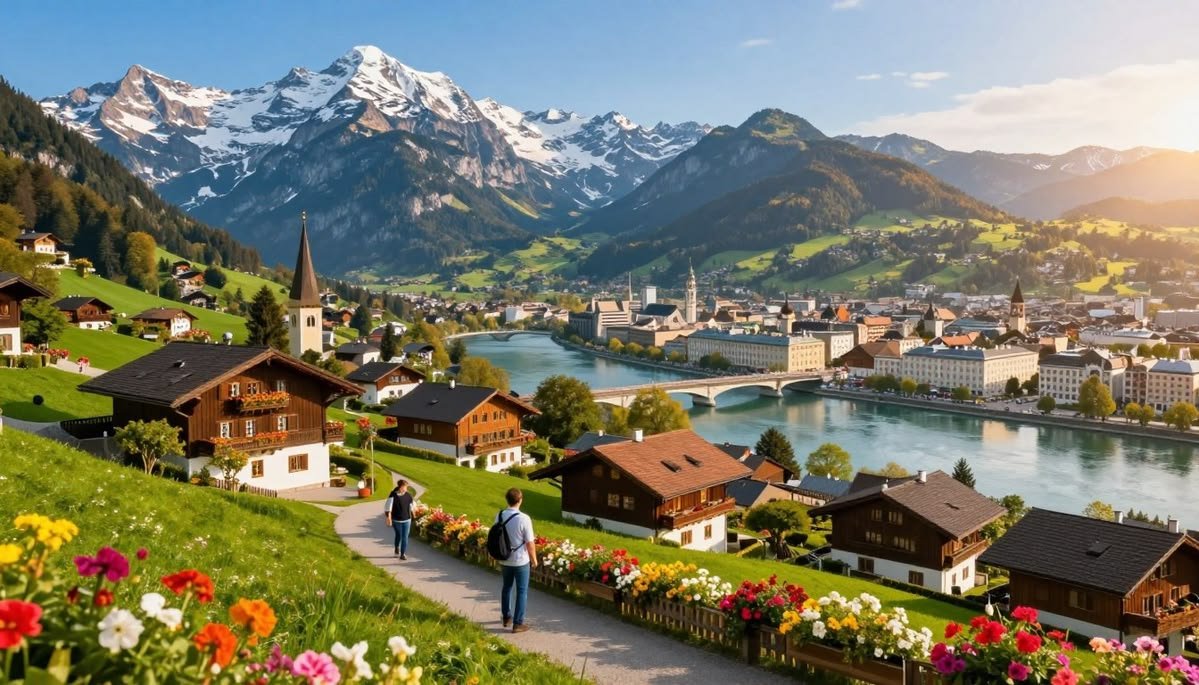
I still remember standing at the edge of a misty valley in northern Portugal, watching the fog slowly lift over terracotta rooftops — and realizing I hadn’t seen another tourist in two days. No selfie sticks. No guided tour groups. Just me, a strong espresso, and the sound of distant church bells.
That trip changed everything about how I travel.
I used to chase the “must-see” lists. Rome, Paris, Bali, Santorini. And honestly? Those places are stunning. But they’re also exhausting. You spend half your time elbowing through crowds and the other half paying double for things you could’ve gotten better somewhere quieter.
Over the last several years, I’ve made it a personal mission to find places that still feel real — spots where local life hasn’t been completely swallowed by tourism. Some I found by accident. Some came from whispered tips in local cafes. Some I almost didn’t visit because they weren’t “famous enough.”
Here are 12 of the quietest, most untouched travel destinations I’ve personally discovered or researched deeply — places that genuinely reset your brain.
1. Gjirokastër, Albania 〰️
Most people fly into Tirana and head straight to the Albanian Riviera. Totally understandable — those beaches are gorgeous. But Gjirokastër, a UNESCO-listed Ottoman hill town in the south, is where I felt like I’d accidentally walked into a 17th-century living museum.
The stone houses here look like they grew out of the mountain. The bazaar is unhurried. The locals actually talk to you, not because they want your money, but because hospitality is just how things work here.
Accommodation is cheap, food is incredible (try the byrek), and the crowds are almost nonexistent. It’s one of those places you’ll spend the first hour thinking “why isn’t everyone here?” and the second hour being relieved that they’re not.
2. Matera, Basilicata (Southern Italy) 〰️
Okay, Matera has gotten some attention since being named a European Capital of Culture in 2019. But compared to Rome or Florence? It’s practically empty.
This city is carved into a ravine — literally. People lived in cave dwellings called sassi here continuously for thousands of years. Walking through at dawn before the day-trippers arrive from Naples feels genuinely surreal. The light hits those ancient stone facades in a way that makes you stop mid-step.
I made the mistake of visiting mid-afternoon in summer once. Brutal heat, a few more tourists. Go early morning. Bring water. Thank me later.
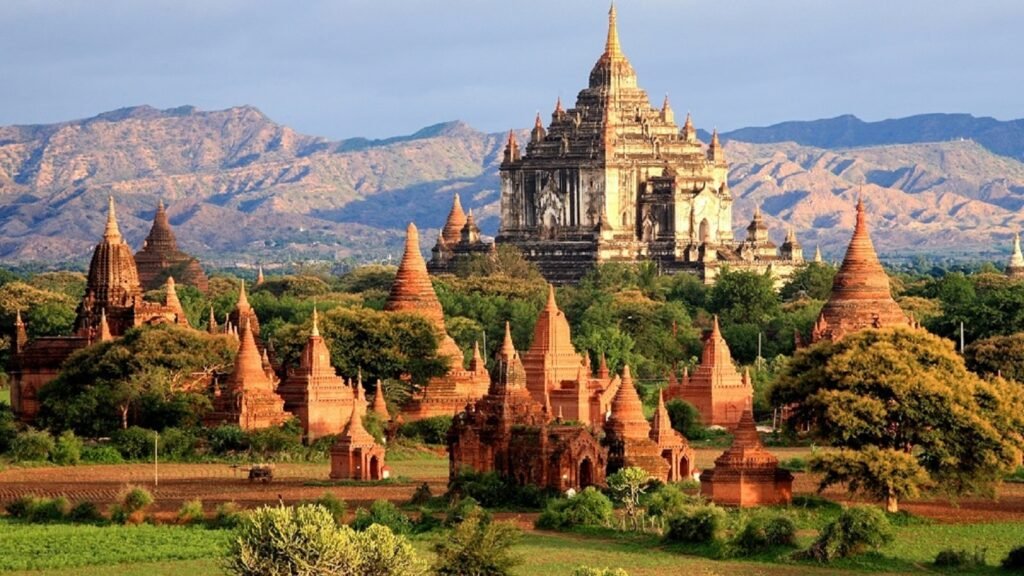
3. Hsipaw, Myanmar (Shan State) 〰️
I’ll be honest — travel to Myanmar is complicated right now given the political situation, and you should do your research before going. But Hsipaw, when conditions allow, represents exactly the kind of sleepy, genuine small-town experience that’s disappeared from most of Asia.
Trek into the surrounding hills with a local guide, spend nights in village guesthouses, eat whatever’s cooking — it’s the kind of travel that makes you feel like a guest rather than a customer. No itinerary, no app can replicate that.
If you’re looking for similar energy in Asia right now, 5 Powerful Quiet Travel Spots in Asia Perfect for a Peaceful Escape is a solid starting point.
4. Faroe Islands, Denmark 〰️
The Faroe Islands technically get more tourists every year — but “more” is relative when you’re talking about 18 volcanic islands in the North Atlantic with a population of around 50,000 people.
I visited in early May. The waterfalls were going absolutely wild from snowmelt. The grass was that electric shade of green that doesn’t look real. And on several hikes, I genuinely didn’t see another soul for hours.
The Faroes require a bit of planning — flights connect through Copenhagen or Reykjavik, and accommodation is limited. Book early. Rent a car. Download offline maps because signal disappears fast on those cliffs.
Quick Comparison: Faroe Islands vs Iceland for the “Quiet Traveler”
| Factor | Faroe Islands | Iceland |
|---|---|---|
| Tourist Crowds | Very Low | Moderate to High |
| Cost | High | Very High |
| Infrastructure | Basic | Well-developed |
| Dramatic Scenery | ✅ Exceptional | ✅ Exceptional |
| English Spoken | Yes | Yes |
| Best Season | May–August | June–August |
5. Valletta, Malta (Off-Season) 〰️
Hear me out. Valletta is Europe’s smallest capital city and in summer, it gets busy. But go in January or February? The entire place basically belongs to you.
The baroque architecture, the fortified walls overlooking the Grand Harbour, the tiny wine bars where locals gather after work — all of it feels completely different when you’re not battling tour groups. Cafe prices drop. Locals are more relaxed. The golden light in winter is actually more dramatic than summer anyway.
This is a place where timing is the strategy. Off-season travel has saved me money and sanity more times than I can count.
6. Transylvania, Romania (Beyond Bran Castle) 〰️
Everyone who goes to Transylvania makes a beeline for Bran Castle (the “Dracula Castle”). I did too, on my first visit. It’s fine. It’s touristy. Move on.
What nobody tells you about are the Saxon villages scattered across the Transylvanian countryside — places like Viscri, Biertan, and Richis. Fortified churches. Cobblestone lanes. Farmers still using horse-drawn carts. Time literally moves differently here.
I rented a car and just… drove. Stopped when something looked interesting. Ended up spending two nights in a guesthouse in Viscri where the owner cooked every meal and the Wi-Fi was intentionally terrible. It was perfect.
7. Siquijor Island, Philippines 〰️
The Philippines has over 7,000 islands. Most tourists see maybe three or four. Siquijor is that quiet, slightly mysterious island that Filipinos themselves used to joke was haunted — which, for years, kept the crowds away.
The beaches are pristine. The waterfalls are accessible without a two-hour trek. The diving is world-class and completely uncrowded. You can rent a motorbike and circle the entire island in an afternoon, stopping whenever a view grabs you.
Locals are warm, the food is fresh, and accommodation is still genuinely affordable. Go before Instagram ruins it — and it will eventually.
8. Ticino, Switzerland 〰️
Most people think Switzerland = Zurich, Lucerne, Interlaken. Fair. But Ticino, the Italian-speaking southern canton, is Switzerland’s best-kept secret and I will die on this hill.
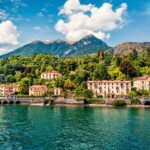
It has Mediterranean vibes — palm trees, terracotta villages, cypress trees — with Swiss reliability and cleanliness. The lakes (Lugano and Maggiore especially) are dramatically beautiful. The food is a mix of Swiss and Italian, which means it’s incredible.
And because most international tourists bypass it for the more “iconic” Swiss destinations, you actually get breathing room. The hiking trails above Lake Lugano gave me some of the best views I’ve ever experienced in Europe without a single crowd.
For mountain lovers specifically, 9 Stunning Quiet Travel Spots in the Mountains for Total Silence has some genuinely underrated picks.
9. Oaxaca’s Sierra Norte, Mexico 〰️
Oaxaca city itself is well-known and deservedly beloved. But the mountain villages in the Sierra Norte, about an hour’s drive from the city, are where the magic really hides.
The Pueblos Mancomunados — a network of eight indigenous Zapotec villages — have built a community-run ecotourism system that’s actually impressive. You hike or mountain bike between villages, sleep in basic but clean cabins, and eat food prepared by local families.
I did a two-day hike through here with a guide named Ernesto who knew every plant, bird, and trail story. Zero other tourists. Pure cloud forest. One of the best experiences of my traveling life.
Practical Info: Sierra Norte Ecotourism Quick Guide
| Detail | Info |
|---|---|
| Base City | Oaxaca City |
| Distance from Oaxaca | ~1 hour by car |
| Best Season | October–April |
| Booking | Via Expediciones Sierra Norte |
| Cost | Budget-friendly |
| Physical Level | Moderate |
10. Pelion Peninsula, Greece 〰️
You already know about Santorini and Mykonos. So does everyone else — which is why they cost a small fortune and feel like a theme park in July.
The Pelion Peninsula, on mainland Greece, is where Greeks actually vacation. Traditional stone villages clinging to forested hillsides, beaches accessible only by boat or on foot, seafood tavernas where the owner is also the fisherman.
I stumbled onto Pelion after missing a ferry connection once. Best mistake I’ve ever made while traveling. Spent four days there, barely spent anything, and left feeling more restored than any expensive island trip had ever made me feel.
This is the kind of accidental discovery I talk about in 6 Easy Quiet Travel Spots I Discovered by Accident — sometimes the unplanned detours are the whole point.
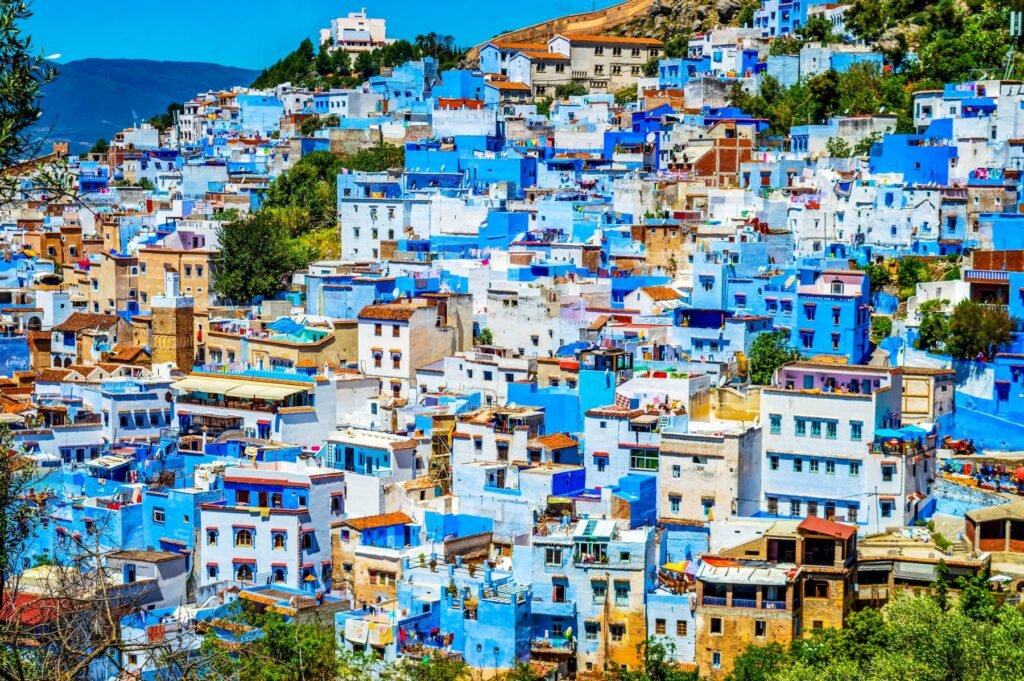
11. Chefchaouen, Morocco (Weekdays, Early Morning) 〰️
Okay, Chefchaouen — the “Blue City” — is on Instagram. A lot. But here’s what those photos don’t show you: most visitors arrive on a day trip from Tangier or Fes, walk the same three blue alleyways, and leave by afternoon.
If you stay overnight, especially on weekdays, you get the city back.
Early morning in Chefchaouen before the day-trippers arrive is genuinely one of the most peaceful urban experiences I’ve had anywhere. Just the sound of cats, distant call to prayer, and the smell of bread baking somewhere nearby. The light in those blue streets at 6am is something special.
The lesson: famous places can still be quiet — you just need to arrive when others don’t.
12. Hokkaido’s Eastern Coast, Japan 〰️
Japan is increasingly popular, and Hokkaido itself sees plenty of visitors — mostly heading to Sapporo and the ski resorts. But the eastern coast, around Shiretoko and the Nemuro Peninsula, is a completely different world.
Brown bears wander near roads. Sea eagles drift overhead. The Shiretoko Peninsula is so remote and ecologically significant it’s a UNESCO World Heritage Site — and yet on the trails, you’re mostly alone.
The eastern coast of Hokkaido is cold, raw, and genuinely wild. It doesn’t have the polish of western Japan’s tourist infrastructure. That’s entirely the point. If you go, rent a car — public transport barely exists out here. Pack layers even in summer.
Common Mistakes That Kill the “Quiet Travel” Experience
After years of chasing this kind of travel, I’ve made plenty of errors. Here are the ones worth avoiding:
- Going in peak season — Even quiet spots get busy in July/August. Shoulder seasons (April–May, September–October) change everything.
- Trusting “off the beaten path” listicles blindly — Some spots get labeled “hidden” and then promptly flooded. Always check recent traveler forums (Reddit’s r/solotravel is genuinely useful for this).
- Over-planning — The more rigid your itinerary, the less room for the unexpected discoveries that become your best memories.
- Skipping the local transport — Buses and shared taxis put you next to real people. Rental cars give you freedom. Tour buses give you… other tourists.
- Ignoring shoulder-season weather — Some quiet destinations are quiet because the weather is rough. Do your research. I’ve been rained out of “paradise” more than once.
What Actually Makes a Place Feel Untouched
It’s not really about how few tourists visit. It’s about the ratio — locals to visitors, authentic life to performance for cameras.
A place feels untouched when:
- The economy doesn’t depend entirely on tourism
- You can eat where locals eat without a special effort
- People’s daily rhythms haven’t been disrupted or rearranged for visitor consumption
- The landscape or architecture is genuinely preserved, not restored for aesthetics
These 12 spots, as of my last knowledge, still pass that test. Some are more fragile than others. Siquijor and Pelion could tip quickly. Gjirokastër has been “discovered” before and somehow stayed real. Albania is resilient like that.
Before You Go: A Few Tools That Actually Help
For finding genuinely quiet spots, a few resources have served me well:
- Atlas Obscura — for genuinely weird and overlooked places
- Rome2rio — for figuring out how to actually reach somewhere remote
- iOverlander — especially useful for understanding infrastructure in off-grid spots
- Local Facebook groups — often more current than any travel blog (including this one)
And if you’re newer to planning trips like this, it’s worth reading about some 10 Essential Quiet Travel Spots Planning Tricks I Wish I Knew Earlier — especially around booking timing and transport logistics.
Final Thoughts
There’s something that happens when you find a genuinely quiet place — a kind of exhale that you didn’t realize you were holding. The pace slows down. You notice more. You stop performing travel for social media and start actually experiencing it.
None of the 12 places on this list will stay quiet forever. That’s just the nature of things — word spreads, Instagram happens, airlines add routes. But right now, in this moment, they still offer something rare: the feeling that you’ve arrived somewhere the world hasn’t quite caught up to yet.
Go while that’s still true.
Looking for more ways to actually find and plan trips to places like these? Read: 7 Smart Quiet Travel Spots Planning Tips for Stress-Free Trips — it covers the logistics side of quiet travel in a way that’s actually practical.