
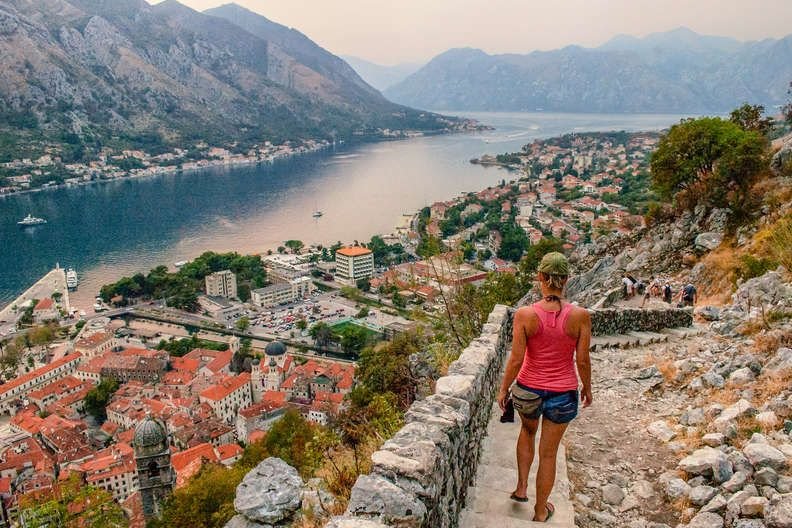
The first time I tried to plan a “peaceful” trip, I ended up in a beachside town during a national holiday weekend. The hotel was overbooked, the streets were packed shoulder-to-shoulder, and the only quiet I found was in the bathroom at 2 AM. Lesson learned — the hard way.
If you’re someone who craves stillness over spectacle, who’d rather sit by a mountain stream than queue outside a famous museum, then quiet travel is your thing. But here’s what nobody tells you upfront: peaceful trips don’t just happen. They’re planned. Intentionally.
So whether this is your first solo trip or your first attempt at actually slowing down while traveling, these seven planning tips will save you from the chaos I walked straight into.
1. Stop Picking Destinations Based on “Top 10” Lists
This is the mistake almost every first-timer makes — including me. You Google “best places to visit in Europe,” pick something from the first page, book it, and then wonder why it’s so crowded.
Those lists exist because those places are beautiful. But they’re also beautiful to roughly four million other people who read the same article.
What to do instead:
Start by looking at the region around a famous destination rather than the destination itself. Want to visit Santorini? Look at Milos or Folegandros — same Aegean magic, a fraction of the foot traffic. Interested in Kyoto? Nara or Ohara will give you temple serenity without the tourist buses.
A practical trick I use: open Google Maps, zoom into the area you’re curious about, and start clicking on small towns with almost no reviews. Fewer reviews often means fewer crowds — and sometimes the most extraordinary hidden spots.
You can also dig into resources like 9 Smart Quiet Travel Spots Guides for Slow Travel Lovers which does a great job at pointing you toward places that haven’t been completely overrun yet.
2. Timing Is Everything — And Most People Get It Wrong
Here’s something that took me three trips to fully understand: where you go matters less than when you go.
The most crowded destinations in the world become genuinely peaceful in the off-season. I visited a popular coastal town in Portugal in late October — streets were quiet, restaurants were half-empty, locals were actually chatty, and room rates were almost 40% lower. The weather was still warm. It was, honestly, perfect.
Quiet travel timing cheat sheet:
| Season | Crowd Level | Price | Experience Quality |
|---|---|---|---|
| Peak (July–Aug, Dec–Jan) | Very High | Expensive | Rushed, noisy |
| Shoulder (Apr–May, Sept–Oct) | Moderate | Mid-range | Often ideal |
| Off-season (Nov–Mar) | Low | Budget-friendly | Quiet, authentic |
Beyond seasons, think about days of the week too. Most tourists cluster on weekends. If you can arrange to visit a site on a Tuesday or Wednesday morning — you’ll feel like you have it to yourself.
And for famous attractions specifically, arrive right when they open. The first hour is almost always the quietest.
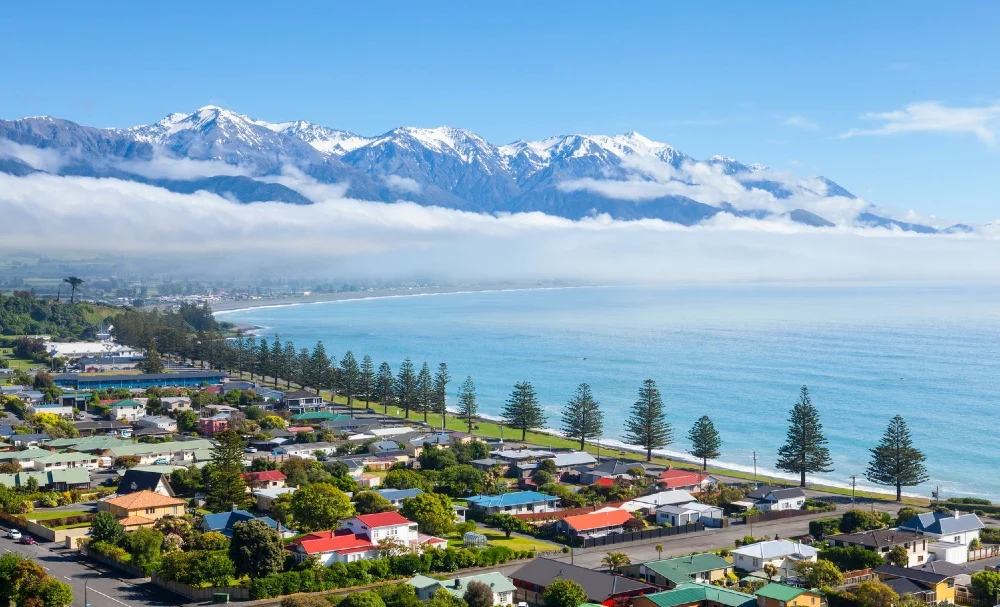
3. Book Accommodation That Matches the Vibe You’re Chasing
This one sounds obvious, but it’s surprisingly easy to get wrong.
A lot of first-time quiet travelers book the most-reviewed hotel in town — which, again, is popular for a reason. But “popular” and “peaceful” rarely live on the same street.
Look for these instead:
- Guesthouses or B&Bs on the outskirts of town — often family-run, quieter, and you’ll get actual local insight at breakfast
- Farm stays or agritourism — especially in Italy, Spain, and parts of Southeast Asia — these are underrated gems
- Small ryokans if you’re in Japan — the experience itself is the peace
- Self-catering apartments in residential neighborhoods rather than tourist zones
When I’m browsing on Booking.com or Airbnb, I actually filter by reviews that mention words like “quiet,” “peaceful,” “tranquil,” or “away from the noise.” Not a perfect science, but it works more often than not.
Also worth doing: pull up the property on Google Maps and check what’s around it. A hotel wedged between a bar district and a busy road will never be peaceful — no matter how nice the photos look.
4. Build a Loose Itinerary — Not a Tight Schedule
One of the biggest planning mistakes first-timers make is over-scheduling. They book every day with three or four activities, pre-purchase tickets for everything, and end up rushing from one place to the next — which is the opposite of quiet travel.
The goal isn’t to see more. It’s to feel more.
A better approach:
Plan 1–2 anchor experiences per day, maximum. Leave the rest of the time genuinely open. That unplanned afternoon where you wandered into a tiny market and ended up sharing tea with a local vendor? That only happens when your schedule has breathing room.
I usually structure days like this:
- Morning: One intentional activity (a hike, a temple visit, a market)
- Afternoon: Completely unplanned — just walk, sit, observe
- Evening: One good meal somewhere non-touristy
The magic of quiet travel almost always happens in the unplanned gaps.
For more ideas on how to build this kind of trip structure, 10 Essential Quiet Travel Spots Planning Tricks I Wish I Knew Earlier has some genuinely useful frameworks.
5. Do Your Transportation Research Before You Leave Home
Getting from point A to B in an unfamiliar country is where quiet travel can fall apart fast. You’re stressed, you’re lost, you’re standing on a busy platform with your luggage, and all that calm evaporates immediately.
What helps:
- Download offline maps on Google Maps or Maps.me before you land — don’t rely on data
- Research local transport options ahead of time (trains vs. buses vs. ferries — which is slower and more scenic?)
- Avoid airports when possible — regional trains and bus rides are often more peaceful and actually show you the landscape
- Build in buffer time between connections — rushing ruins everything
One specific tool I love: Rome2Rio. It shows you every possible way to get between two points — and you can specifically choose slower, more scenic routes instead of the fastest option.
Also, consider not renting a car in cities. Parking stress is real. In smaller towns and countryside areas though, having your own vehicle opens up roads that no bus will ever take you down — and those roads often lead to the quietest places.
6. Research Crowd Patterns and Avoid “Instagram Trap” Spots
This is a newer problem that didn’t really exist ten years ago: places that are “quiet” in reality but go viral on social media, and suddenly they’re anything but.
If a location has a specific hashtag with millions of posts, it’s probably not going to feel like a hidden gem anymore. I’ve shown up to places I found on travel blogs only to find a queue of thirty people waiting to take the exact same photo.
How to spot and avoid Instagram traps:
- Search the location on Instagram and check when those photos were posted — if it’s recent and frequent, it’s probably busy now
- Look for blog posts that are 3–5 years old about the same place — often more accurate about the “real” experience
- Use Google Trends to see if a destination has been spiking in search interest lately
Also useful: travel forums like Reddit’s r/solotravel or r/travel often have honest, unfiltered opinions about whether a place is still worth visiting. Real travelers, real reviews — much more reliable than curated “best of” articles.
And honestly? Some of the best quiet spots I’ve found were mentioned offhand in comment sections, not in polished travel guides.
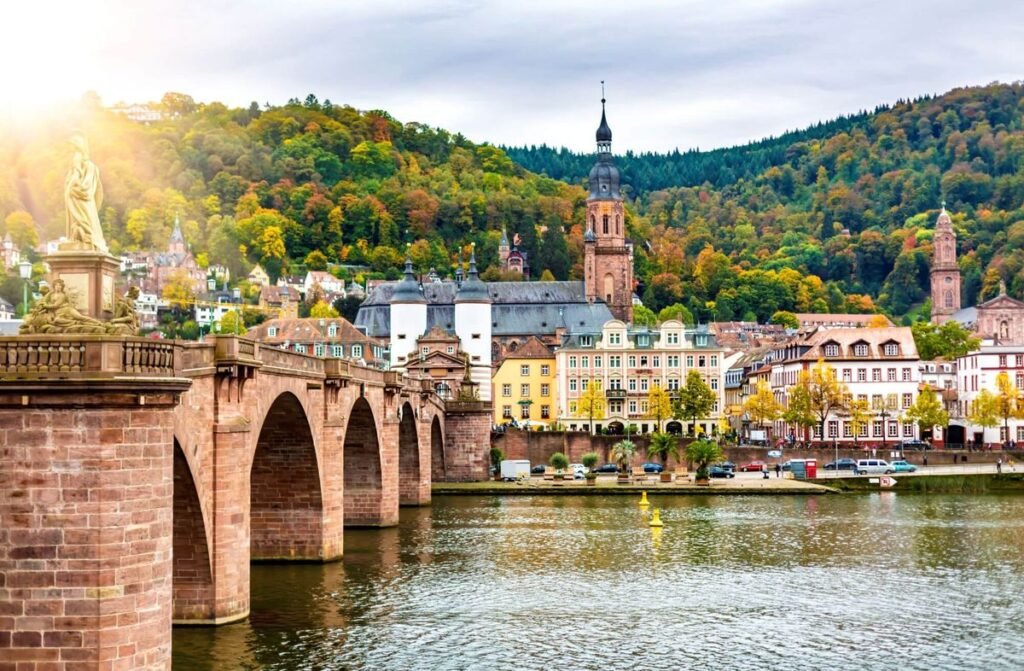
7. Pack Light, Move Slower, Stay Longer
This last tip sounds simple but it changes everything about how a trip feels.
Most first-timers try to cover too much ground. Five cities in ten days. Three countries in two weeks. I’ve done it. It’s exhausting, and you end up remembering the travel more than the destination.
The quiet travel mindset:
Instead of five days in Paris, try ten days in a smaller French town. Instead of rushing through three Southeast Asian capitals, pick one region and actually get to know it.
When you stay somewhere longer, the whole pace changes. You stop being a tourist and start feeling like a temporary local. You find your corner café. You learn which street is quietest in the morning. You stop needing a plan because you’ve figured the place out.
Packing light supports this. One carry-on bag means no checked luggage stress, faster movement, easier hostel or guesthouse situations, and — this is underrated — less decision fatigue about what to wear.
I’ve been traveling with a 20-litre backpack for the past two years. It is, without question, the single best change I made to how I travel.
Check out 5 Peaceful Quiet Travel Spots That Completely Reset My Mind for some destination inspiration once you’ve got your planning approach sorted — these are the kinds of places that really reward a slow, unhurried visit.
Common Mistakes First-Timers Make (That Kill the Quiet)
Since we’re here — a few quick things to avoid:
- Booking non-refundable everything — leaves no room to change direction if somewhere isn’t vibing
- Following other tourists — if there’s a line, it’s usually not worth it for quiet travel
- Ignoring locals’ recommendations — your hotel receptionist or guesthouse host knows a hundred places that aren’t on any map
- Staying connected all the time — the irony is that planning for quiet travel and then spending the whole trip on your phone defeats the purpose entirely
- Underestimating rest days — build at least one day per week with nothing planned. No sights, no transport, just existing somewhere
The Real Point of All This
Quiet travel isn’t about finding some perfect, Instagram-worthy silence. It’s about building enough space into your journey that you actually feel something — about where you are, and honestly, about yourself too.
The planning tips above aren’t rules. They’re more like a mindset shift. Once you start approaching travel with intention — choosing places thoughtfully, building in breathing room, resisting the urge to pack every hour — the whole experience changes.
Your first quiet trip probably won’t be perfect. Mine wasn’t. But it’ll be genuinely yours.
If you’re still figuring out where to start, this guide is worth a read: 10 Underrated Quiet Travel Spots You Should Visit Before Everyone Else