
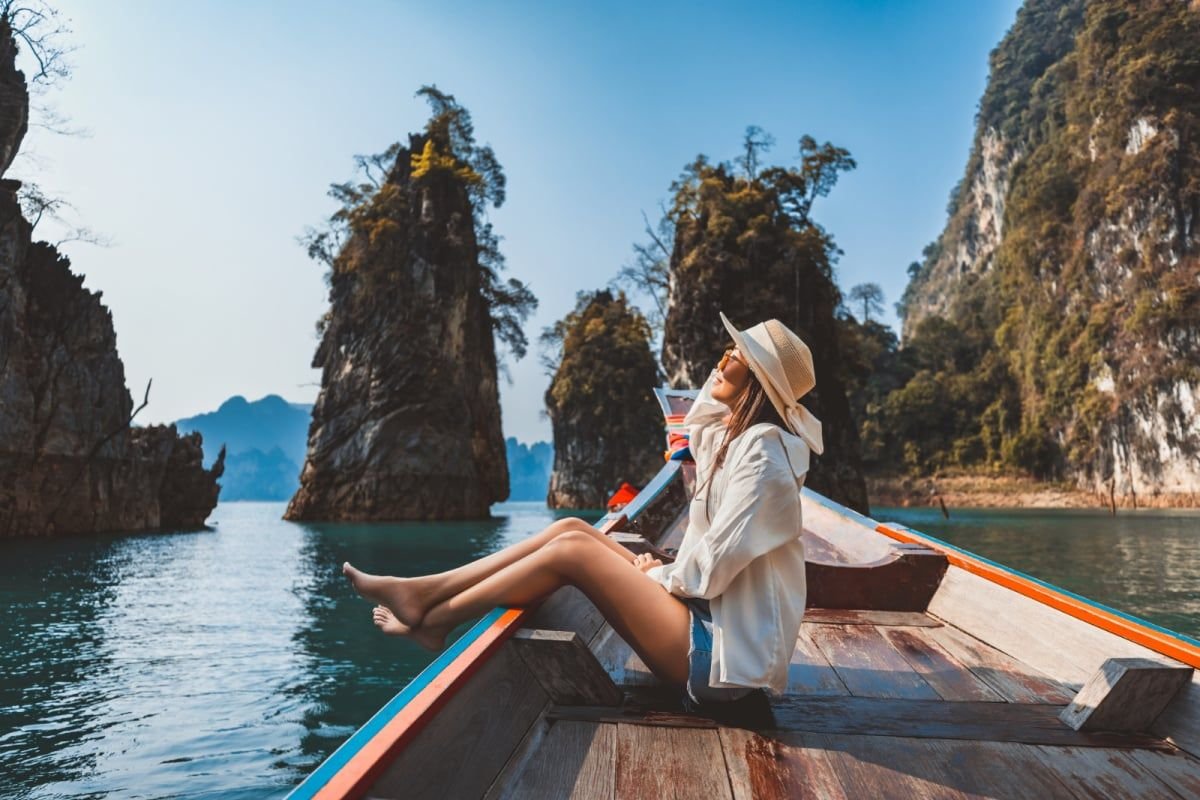
I still remember the moment I realized I’d been “vacationing” wrong my entire adult life.
I’d just returned from a week in Barcelona — a city I’d dreamed about for years. The food was incredible, the architecture was jaw-dropping, and I was absolutely exhausted. Like, more tired than when I’d left. I’d spent every single day rushing from the Sagrada Família to Park Güell to La Boqueria, elbowing through crowds, waiting in lines, and trying to get photos that didn’t have 40 strangers in the background.
On the flight home, squished into a middle seat, I thought: this cannot be what rest feels like.
That’s when I started researching something completely different — places where you go to actually slow down. Not just Instagram-worthy destinations, but spots where the loudest sound is birdsong or waves hitting rocks. No tour buses. No hour-long queues. No overpriced hotel lobbies packed with anxious check-ins.
What I found changed how I travel entirely. And I want to share the five quiet escapes that genuinely delivered on the promise of stress-free.
1. Hallstatt’s Lesser-Known Neighbor: Gosau, Austria
Everyone talks about Hallstatt. And look, it’s beautiful — but it’s also become a victim of its own fame. I visited on a Tuesday in shoulder season and still couldn’t move through the main street without bumping into someone’s selfie stick.
So on day two, I rented a bike and cycled 20 minutes up the valley to Gosau.
Gosau sits at the edge of the Dachstein glacier, surrounded by mountains that make you feel genuinely small in the best way. There are maybe two cafés, a handful of guesthouses, and hiking trails where I went 45 minutes without seeing another soul. The lake — Vorderer Gosausee — reflects the mountains so perfectly it looks fake.
What made it stress-free:
- No timed entry tickets (at least when I went)
- Accommodation was half the price of Hallstatt
- The hiking trails are clearly marked but not crowded
- You can just… sit by the lake and do nothing
Practical tips if you go:
- Stay in a Gasthof (traditional Austrian inn) rather than booking international hotel chains — cheaper, more personal, often includes breakfast
- Visit in September or early October — summer crowds have thinned, but the weather is still gorgeous
- Download the Komoot app for trail navigation, it works well offline in alpine regions
One mistake I made: I wore trail runners instead of proper hiking boots. The trails near the glacier get rocky fast. Learned that lesson the hard way with two blisters by day two.
2. Amed, Bali — Not the Bali You’ve Seen on Instagram
When most people say “Bali,” they mean Seminyak or Canggu — pool parties, influencer brunch spots, and traffic that somehow gets worse every year. I’ve done that version of Bali. It’s fun for a weekend, but it’s not restful.
Amed is on the northeast coast, about 2.5 hours from the airport, and it genuinely feels like a different island.
The village is a working fishing community. Every morning before sunrise, the jukung boats (traditional outrigger canoes, painted in bright colors) head out to sea. You can watch this from your guesthouse terrace while drinking coffee. That alone is worth the trip.
I stayed at a small eco-resort for four nights and spent most of my time:
- Snorkeling directly from the beach (the coral is incredible, and the famous USAT Liberty shipwreck is a short boat ride away)
- Reading in a beachside warung (small local café)
- Getting daily one-hour massages for the equivalent of about $8
The internet is slower there. I’m not going to pretend that wasn’t initially annoying — I’m used to being connected. But by day two, I stopped reaching for my phone so compulsively. Something about the pace of the place just… recalibrates you.
If you’re someone who gets overwhelmed by over-tourism but still loves Southeast Asia, check out 5 Powerful Quiet Travel Spots in Asia Perfect for a Peaceful Escape — it goes deeper into similar off-the-beaten-path destinations across the region.
One thing to know: Amed has a rocky black sand beach, not the soft white sand of the south. Some people find this disappointing. I actually loved it — fewer sunbathers, more character.
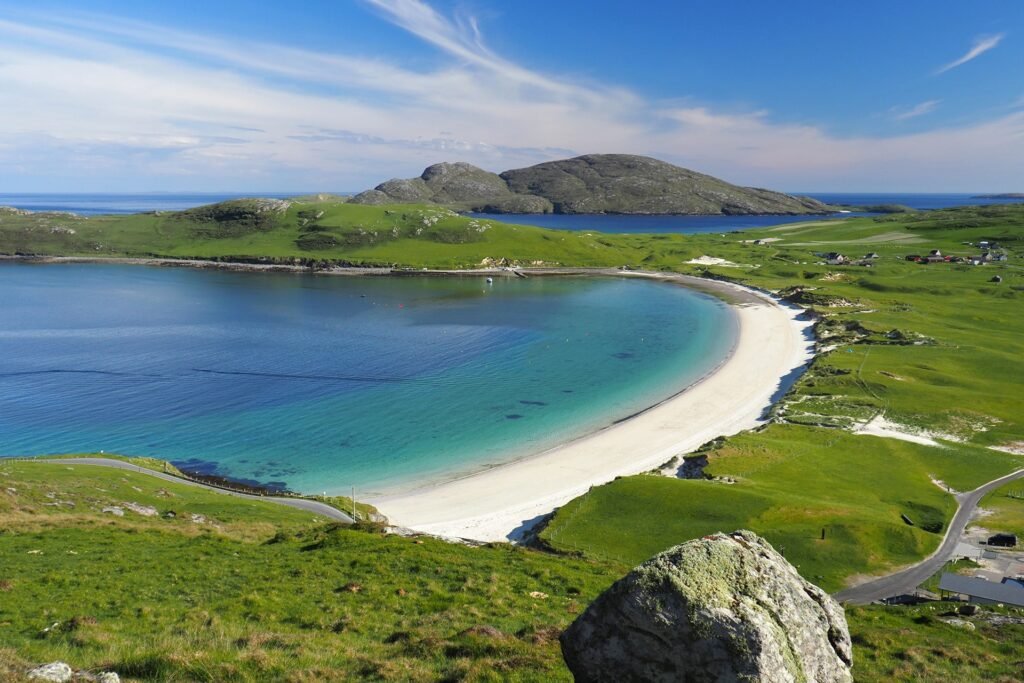
3. The Outer Hebrides, Scotland — For When You Need to Feel Tiny
I almost didn’t go. The ferry schedules are confusing, the weather forecast said “mostly overcast,” and a friend warned me it might be “too bleak.”
Reader, it was the most peaceful place I’ve ever been in my life.
The Outer Hebrides — a chain of islands off Scotland’s northwest coast — are raw in a way that feels almost prehistoric. On the Isle of Lewis, there are standing stones at Callanish that predate Stonehenge and you can walk right up to them, often alone, with nothing around you but moorland and sky.
Here’s what surprised me:
The silence is physical. I’m not being dramatic — when the wind drops, the quiet actually feels like a presence. No traffic hum. No distant sirens. Just the occasional call of a curlew or the sound of your own breathing.
| Feature | Callanish Standing Stones | Stonehenge |
|---|---|---|
| Entry fee | Free | £22+ |
| Crowds | Sparse (even in summer) | Very busy year-round |
| Fence/barrier | None — walk among the stones | Rope barrier only |
| Atmosphere | Wild and solitary | Heritage site feel |
The local communities on Harris and Lewis are genuinely welcoming. I stayed in a traditional blackhouse converted into a self-catering cottage — no host fussing over you, no mandatory breakfast times, just a cozy stone structure with a peat fire and a view of the Atlantic.
Getting there:
- Fly to Stornoway (Lewis) via Edinburgh or Inverness, or take the Caledonian MacBrayne ferry from Ullapool
- A car is essential — public transport is limited
- Maps.me or downloaded Google Maps offline work fine, but be prepared for some unmarked roads
Mistake I made here: underestimating how cold it gets in the evenings even in July. Pack a proper waterproof layer regardless of season.
4. Matera, Italy — Before the Next Wave Hits
Matera spent centuries being called the “shame of Italy” — a cave city in southern Basilicata where people lived in sassi (ancient cave dwellings) without running water until the 1950s. The government relocated residents and the city sat largely forgotten.
Then it was named a UNESCO World Heritage Site, and slowly, carefully, it began to come back — but as a destination for thoughtful travelers rather than mass tourism. For now, at least.
When I visited, I had entire cobblestone alleys to myself at 8 AM. The sassi neighborhoods wind through ravines carved into soft limestone, and many of the caves have been converted into boutique hotels and restaurants. I stayed in one — literally a cave room, with the original stone walls, comfortable modern bedding, and a candle-lit ceiling.
Why it still qualifies as quiet:
- It’s 4+ hours from Rome by train/bus — a deterrent for day-trippers
- The best hours are early morning and after 7 PM when tour groups leave
- There’s genuinely nothing to rush for — just wander
For travelers managing itineraries on a budget, this kind of southern Italian destination pairs well with the advice in 10 Quiet Travel Spots Planning Tips for Budget Travelers — affordable, meaningful, and far from the typical tourist trail.
One thing that genuinely moved me: eating dinner on a terrace overlooking the ravine as the lights in the opposite sassi came on one by one. No words. Just that.
Food tip: Skip the restaurants on the main piazza (tourist pricing). Walk five minutes down any side alley and you’ll find places serving handmade orecchiette and local Aglianico wine for a fraction of the price.
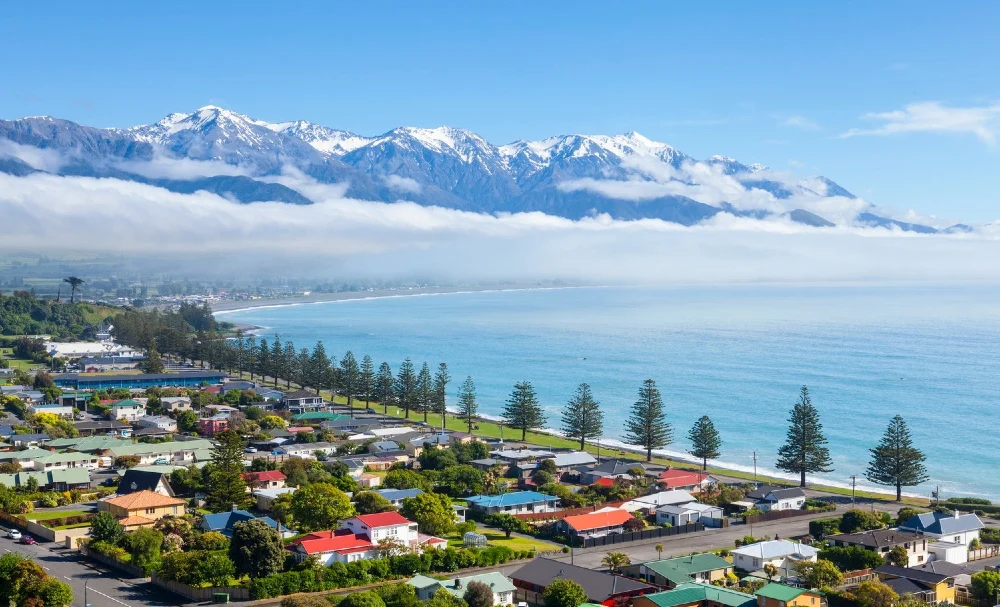
5. Kaikōura, New Zealand — The Reset Button in Physical Form
I went to Kaikōura after a rough few months at work. I needed something that would make my problems feel appropriately small.
It worked.
Kaikōura is a small coastal town on New Zealand’s South Island, squeezed between the Kaikōura mountain range and the Pacific Ocean. The geography alone is dramatic — but what makes it genuinely special is the wildlife.
Sperm whales feed in the deep submarine canyon just offshore year-round. Not seasonally, not rarely — consistently. I took a Whale Watch Kaikōura boat tour early on a foggy morning and watched a sperm whale surface, breathe slowly for several minutes, then lift its fluke and dive into the deep. No commentary felt adequate. Our guide went quiet too.
Seals haul out on the rocks everywhere. Dolphins follow the boats. Albatross ride thermals overhead. And the town itself is small enough to walk end-to-end in 20 minutes.
Honest breakdown of costs (when I visited):
| Activity | Approx. Cost (NZD) |
|---|---|
| Whale Watch tour | ~$175 |
| Dolphin swimming | ~$195 |
| Seal colony walk (self-guided) | Free |
| Crayfish (local specialty) at a roadside stall | ~$25–40 |
| Day hike on Kaikōura Peninsula | Free |
The whale watching tour isn’t cheap, but it’s the kind of experience you remember for the rest of your life. I’ve spent more on forgettable city hotel rooms.
Getting there: It’s on the train line between Christchurch and Picton — the TranzCoastal scenic train is itself worth taking. Or drive Highway 1, which hugs the coast dramatically.
One thing nobody told me: The town was badly damaged in a 2016 earthquake and has been steadily rebuilding. There’s a resilience to the community that you feel in interactions with locals. It adds a layer to the experience that a purely pristine resort town wouldn’t have.
Common Mistakes That Ruin Quiet Travel (And How to Avoid Them)
I’ve made most of these errors personally, so consider this the list I wish I’d had:
Overpacking the itinerary. The whole point of a quiet destination is that you don’t need to fill every hour. If your schedule looks like a city trip, you’re doing it wrong. Give yourself whole half-days with nothing planned.
Arriving on a weekend. Even sleepy villages get busier on Saturdays. If you can, arrive mid-week and save weekends for your most remote activities.
Not checking seasonal crowd patterns. Some “hidden” spots have very predictable busy seasons. Gosau in August, for example, gets Austrian families on holiday. September is the same beauty with a fraction of the people.
Relying on cell data. Several of these places have patchy or expensive roaming. Download offline maps (Google Maps offline or Maps.me), save your accommodations’ addresses locally, and grab a local SIM at the airport when possible.
Choosing accommodation for aesthetics over location. That stunning cave hotel might be gorgeous, but if it’s a 20-minute drive from where you want to spend your mornings, you’ll feel rushed. Prioritize proximity to the areas you actually want to be in.
For a deeper look at planning mistakes that quietly derail peaceful trips, 8 Quiet Travel Spots Planning Mistakes That Ruin Peaceful Trips covers this really well — I recognized several of my own patterns reading through it.
A Simple Framework Before You Book
When I’m evaluating a quiet destination now, I ask myself four questions:
- Can I get there without a connecting flight through a major hub? (Hub airports = stress by default)
- Is the accommodation locally owned? (Small guesthouses > international chains for actual quietness)
- What’s the “what do you do on a rainy day” answer? (If there’s nothing, fine — but know that going in)
- Am I choosing this because I genuinely want to slow down, or because it looks good on a travel wishlist? (Honest answer required)
That last question matters more than you’d think. Some people need movement and stimulation to feel relaxed. If that’s you, a coastal village where nothing happens after 9 PM might feel like punishment. Know yourself before you book.
Quiet travel isn’t some niche thing anymore — it’s genuinely becoming the choice people make when they’re done pretending that busy trips = good trips. These five places delivered actual rest for me, not just photos.
If you’re starting from scratch and want a broader map of what’s possible, 10 Ultimate Quiet Travel Spots Around the World Most Tourists Miss is a solid starting point with a wider range of destinations across different continents and travel styles.