
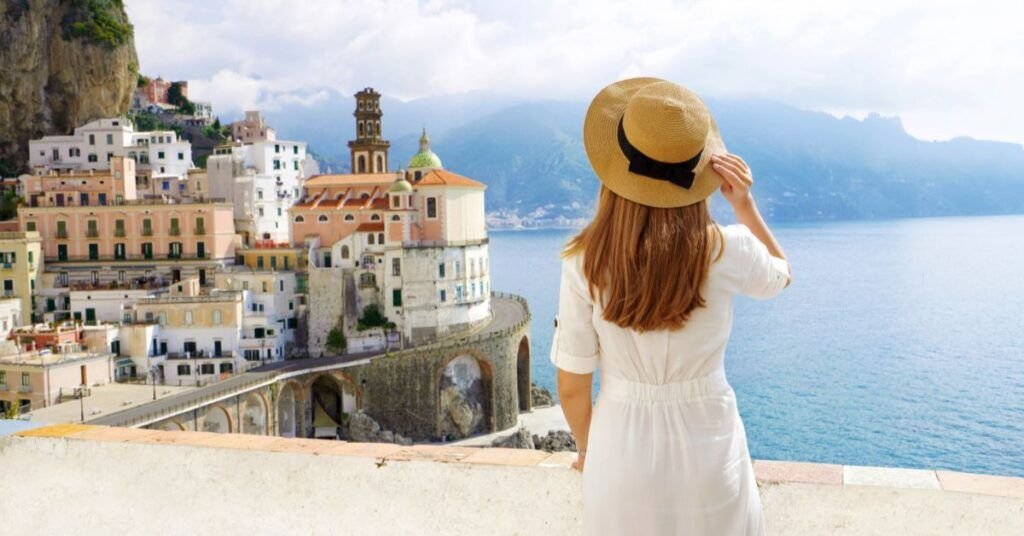
I still remember standing at the edge of a misty valley in northern Portugal, no one around, just the sound of wind moving through pine trees. My phone had no signal. My mind had no noise. I stood there for what felt like an hour but was probably ten minutes — just being somewhere instead of rushing through it.
That trip changed how I travel. Completely.
I used to think “travel” meant packing as many famous landmarks into a week as physically possible. Rome in a day. Paris in two. Somewhere crowded, overpriced, and honestly exhausting. It took one accidental detour into a village that wasn’t on any tourist map for me to realize I’d been doing this whole thing wrong.
If you’re also tired of fighting crowds at every “must-see” spot, this list is for you. These are ten places that feel almost fictional — where silence isn’t just possible, it’s the whole point.
1. Plitvice Lakes, Croatia (Off-Season Magic)
Every travel blogger on earth has a photo from Plitvice. But hear me out — most of them visited in July. I went in late October, and I genuinely felt like I had stumbled into a screensaver.
The waterfalls, the impossibly turquoise water, the wooden boardwalks — all of it exists, but without the summer chaos, it feels sacred. Cold morning air, fog sitting on the water, and maybe twenty other people on the entire trail.
Pro tip: Go on a weekday, before 9 AM. The first hour is almost entirely yours.
The Croatian national park system is surprisingly well-managed, and their official app actually shows crowd density in real time. Use it.
2. Faroe Islands, Denmark
I’ll be honest — I went to the Faroe Islands mostly because a photo I saw looked fake. Cliffs dropping straight into the Atlantic, tiny villages clinging to hillsides, no trees, just raw landscape.
It’s real. It’s realer than real.
The population of the entire island chain is under 55,000 people. Tourist infrastructure exists, but it’s modest. You rent a car, you drive roads that feel like they were built for goats, and you stop wherever looks interesting — which is everywhere.
What surprised me most was the sound. Or rather, the lack of it. Wind, yes. Ocean, yes. But no traffic hum, no crowd noise, no background city buzz. Just geological silence.
What to know: Weather changes every twenty minutes. Pack layers. Waterproof everything. Accept that your “plan” will be ruined daily and that this is actually wonderful.
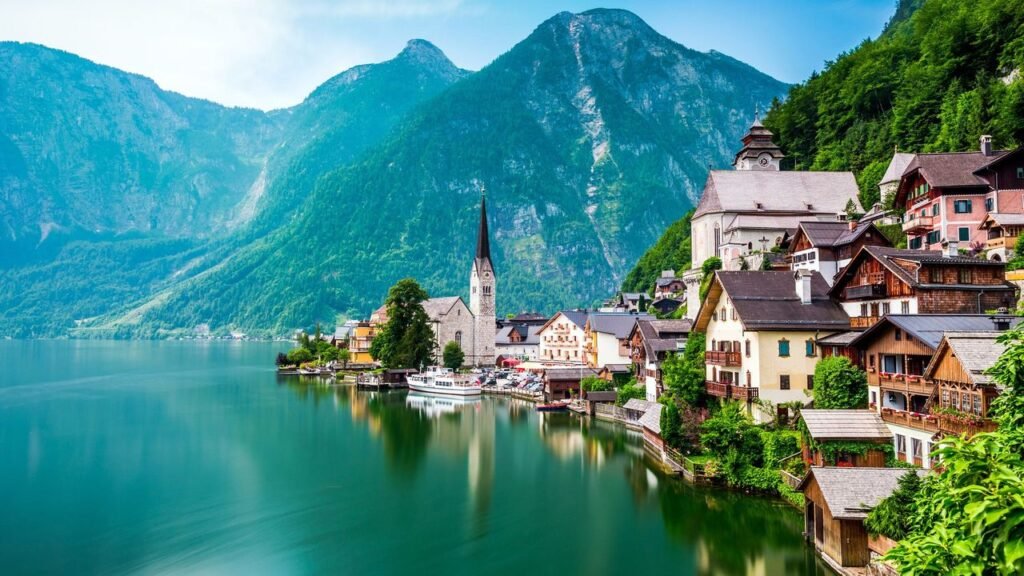
3. Hallstatt, Austria (Early Morning, Before the Crowds Arrive)
Hallstatt has a complicated relationship with tourism. It’s genuinely one of the most beautiful villages in the world — a tiny community pressed between a mountain and a mirror-calm lake in Austria. But it also gets absolutely mobbed by day-trippers, especially tour buses from Salzburg.
Here’s the thing though: those buses arrive around 10 AM and leave by 4 PM. If you actually stay in Hallstatt — book accommodation in the village itself — you get the place almost entirely to yourself in the golden hour morning and after evening falls.
I walked out at 6:30 AM one morning and the lake was perfectly still, the reflection of the church spire sitting in the water like a painting. Two locals walking their dog. That’s it.
It’s one of those moments you feel guilty about describing because words don’t do it justice.
4. Luang Prabang, Laos
Southeast Asia has a reputation for backpacker chaos — full moon parties, neon signs, noise. Luang Prabang is the exception.
This small city in northern Laos sits at the confluence of two rivers and moves at a pace that feels medically prescribed for anxiety. Buddhist monks walk in silent procession at dawn collecting alms. Streets are lined with French colonial buildings and frangipani trees. Nightlife essentially ends by 11 PM because the government actually enforces quiet hours.
I spent five days here and felt my nervous system genuinely unwind.
If you’re interested in peaceful destinations that feel like therapy, Luang Prabang should be near the top of your list. There’s something about this place that works on you slowly, quietly, and completely.
Don’t miss: The alms giving ceremony at sunrise. Just watch respectfully — don’t participate as a tourist, it disrupts the ritual.
5. The Azores, Portugal
This is the one I recommend most when friends ask where to go if they’re burned out.
The Azores are nine volcanic islands in the middle of the Atlantic, technically Portuguese territory, but geographically in the middle of nowhere. Flights from Europe are reasonable. From North America, they’re a logical stopover.
São Miguel, the largest island, has crater lakes, hot springs you can actually swim in, and towns that feel genuinely off the tourist circuit. The whole island is green — aggressively, vibrantly green — because it rains just enough to keep everything lush.
I made the mistake of not renting a car my first visit. Fixed that on my second trip. Having a car is non-negotiable here. The best stuff is down unmarked roads.
| Island | Best For | Crowd Level |
|---|---|---|
| São Miguel | Hot springs, crater lakes | Moderate |
| Flores | Waterfalls, solitude | Very Low |
| Corvo | Literally just peace | Almost Zero |
| Faial | Marina, diving | Low-Moderate |
Corvo island has a population of about 400 people. There is one road. It is extraordinary.
6. Bhutan
Bhutan regulates tourism intentionally. There’s a daily visitor fee (it has changed over the years, so check current rates), and this policy has kept the country from being overwhelmed. It’s not cheap to visit, but what you get is a country where tourism hasn’t yet chewed through its soul.
Tiger’s Nest monastery — Paro Taktsang — clings to a cliff face above a valley and is one of the most surreal sights I’ve ever encountered. The hike up is two hours. The view at the top makes you forget you have legs.
The country measures progress using Gross National Happiness rather than GDP. Whether that’s politics or philosophy or both, you can feel it in how people move, interact, and exist. Nobody seems to be racing anywhere.
7. Matera, Italy
Matera was once considered an embarrassment. A shame. Families were living in cave dwellings carved into the ravine — the Sassi — without electricity or running water into the 1950s. The government relocated everyone and the city sat largely empty.
Now, those caves are boutique hotels, restaurants, and art spaces. And somehow, this former “disgrace” is one of the most hauntingly beautiful places in Italy.
Walking through the Sassi at night, when the stone buildings glow amber from within and the ravine falls into shadow below you, feels like moving through a dream someone else had centuries ago.
It’s a UNESCO World Heritage Site, so it’s not exactly secret. But it’s also not Rome. You can still find corners of the old city where you’re completely alone with the stone and the silence.
If you want to plan a visit properly, these quiet travel planning tools changed how I approach off-the-beaten-path Italian destinations specifically.
8. Kandy, Sri Lanka (And The Hill Country Beyond It)
Most people who visit Sri Lanka make a loop: Colombo, beaches in the south, a quick temple visit, done. The hill country in the center of the island gets skipped constantly, which is baffling, because it’s where the country breathes.
Kandy is the cultural capital — home to the Temple of the Tooth, cool air, and a lake that sits in the center of town like it owns the place. But go further into the hills — Ella, Nuwara Eliya, Haputale — and you’re in tea country. Endless green terraces cut into the mountains. Mist every morning. Train journeys through the mountains that are considered among the most beautiful in the world.
The Kandy to Ella train is genuinely unreal. It’s slow, it’s old, it sways, and you spend three hours watching Sri Lanka roll past the window like a painting.
Book a window seat. Bring snacks. Don’t rush.
9. Oaxaca, Mexico
I know what you’re thinking — Mexico isn’t exactly known for quiet travel. But Oaxaca is a different conversation entirely.
This city in southern Mexico has been a center for Indigenous culture, food, art, and craft for centuries. The energy is slower, more grounded than coastal tourist destinations. Mezcal bars open at sundown and close whenever. Tlayudas get made fresh while you watch. The market at Tlacolula on Sunday mornings feels like a living anthropology exhibit — except it’s just normal life happening around you.
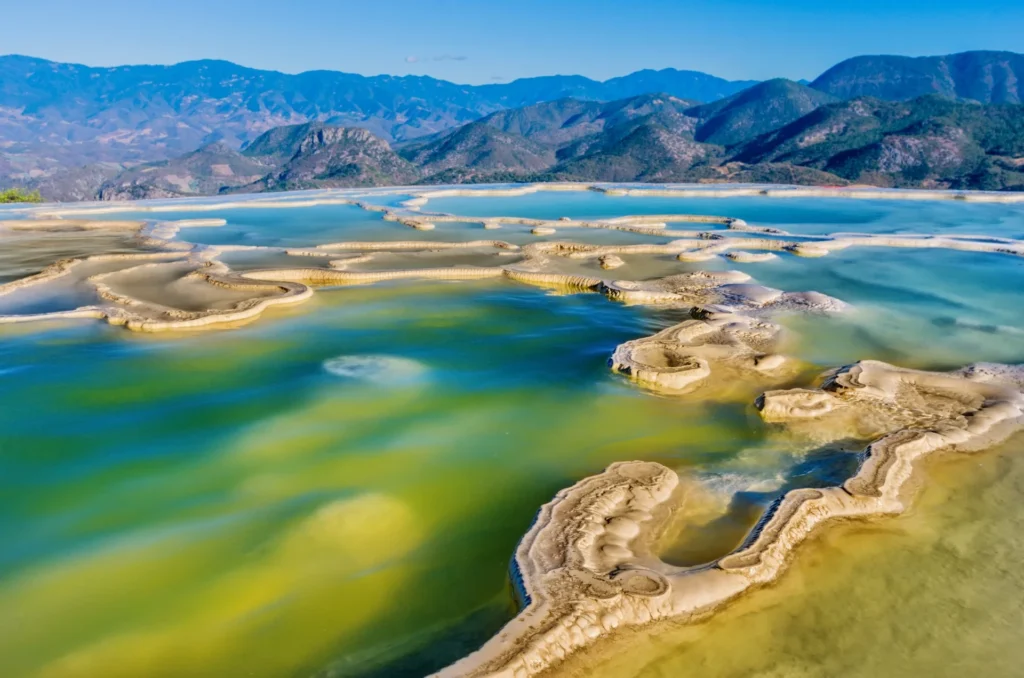
The surrounding mountains and valleys hold ruins (Monte Albán is spectacular and relatively uncrowded), small weaving villages, and landscapes that look nothing like central Mexico.
I made the mistake of only booking four days here on my first trip. I extended to ten. Still not enough.
10. Norwegian Fjords (By Ferry, Not Cruise Ship)
The fjords get cruise ship traffic, yes. But there’s a completely different way to experience them — the Hurtigruten coastal ferry, or local ferry routes between small coastal towns.
You move through the same landscape the cruise ships do, but from a different perspective: slower, lower to the water, with access to villages that the big ships skip entirely. You can hop off in a town of 300 people where the ferry is the main connection to the outside world.
I got off in a village called Balestrand once. One hotel, one restaurant, mountains on every side, fjord in front of me. I sat on a bench and watched the water for two hours. I’m not even sure I thought about anything. Just looked.
For travelers who want to approach trips like this intentionally — avoiding tourist traps and actually landing in places that feel real — these guides for slow travel lovers have genuinely useful frameworks that I keep coming back to.
Mistakes I’ve Made (So You Don’t Have To)
Visiting in peak season. Every place on this list has a window where it’s quiet. Outside that window, it can get overwhelming. Research shoulder seasons. It makes an enormous difference.
Over-planning. Quiet travel doesn’t do well with rigid itineraries. Leave gaps. Let things happen. The best moments I’ve had came from missing a bus and having to wait somewhere for three hours.
Skipping local accommodation. Big chain hotels are designed to isolate you from where you actually are. Small guesthouses, family-run B&Bs, locally-owned homestays — these are where you actually arrive somewhere.
Packing too much. This sounds simple but it’s not. A big bag means you don’t move freely. You check it, you worry about it, it shapes where you can go. A carry-on and a day bag changed my travel experience more than any destination choice.
Telling too many people about the good spots. Okay, I see the irony here.
A Quick Planning Note
If any of these places interests you, the research phase matters more than you’d think. Not for over-planning, but for finding the window — the right time of year, the right entry point, the right accommodation type.
Most of these destinations have communities of slow travelers and quiet travel enthusiasts who share specific, local knowledge that you won’t find in glossy travel magazines. Reddit, travel forums, and smaller travel blogs tend to hold the honest stuff.
Also: get offline maps. Google Maps works fine with downloaded regions. Maps.me is another good option. When you’re somewhere remote — and these places are often remote — signal disappears, and you want to know where you’re going.
There’s a version of travel that looks like a checklist. Famous thing, famous thing, photo, famous thing, home. And there’s another kind that looks more like wandering — slow, open, a little uncomfortable sometimes, genuinely surprising.
The places on this list live in that second category. They’re not for everyone, and honestly that’s partly why they’re still worth visiting.
If you’re just starting to explore this kind of travel, I’d recommend reading through 10 underrated quiet travel spots you should visit before everyone else — it covers some destinations that didn’t make this list but absolutely deserve attention before they stop being underrated.
Go somewhere quiet. Stay a little longer than planned. Let it work on you.