
I still remember sitting at a crowded airport gate, noise-canceling headphones on full blast, scrolling through photos of a beach I’d visited two weeks earlier — not because the beach was extraordinary, but because it had been silent. Just waves. No tour guide. No street vendors. No agenda.
That trip changed how I travel entirely.
If you’ve ever come back from a vacation feeling more exhausted than when you left, you’re not alone. Most of us are taught to do as much as possible when we travel — hit every landmark, eat at every hyped restaurant, take a thousand photos. But there’s another way. A quieter way. And honestly? It’s the only kind of travel that actually leaves me feeling restored.
Here are 11 quiet travel activities that I’ve personally tried, sworn by, and recommended to friends who were burnt out, overwhelmed, or just craving something slower.
1. Sunrise Walks in Unfamiliar Neighborhoods
This sounds almost too simple, but trust me on this one.
In most destinations, the hour just after sunrise belongs to locals — bakers, street sweepers, elderly folks walking their dogs. The tourist crowds don’t show up until 10am at the earliest. That gap is golden.
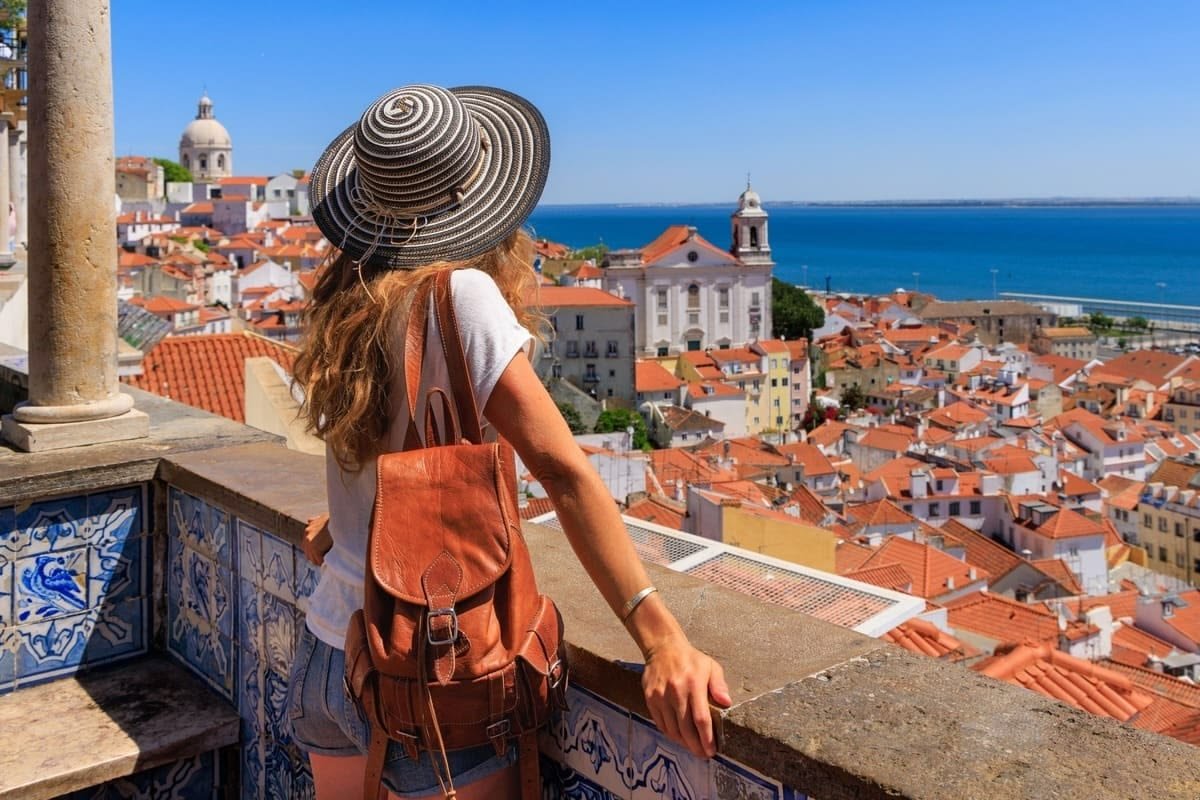
When I was in Lisbon, I woke up at 5:45am (purely by accident — jet lag) and wandered out with no plan. The cobblestone streets were damp. A café owner was stacking chairs outside. A cat sat on a windowsill like it owned the city.
It was the best two hours of the entire trip.
How to do it: Don’t plan a route. Pick a general direction — toward a hill, toward water, toward whatever smells like bread. Give yourself 60 to 90 minutes with no destination. Leave your phone on airplane mode if you can manage it.
Mistake I made: I brought earbuds the first time. Don’t. The whole point is the ambient sound — the city waking up around you.
2. Forest Bathing (Shinrin-yoku) in National Parks or Woodlands
This is not hiking. Let me be clear about that.
Forest bathing is a Japanese practice that’s essentially the art of being in a forest without any goal. No summit, no distance tracker, no fitness achievement. You walk slowly, stop often, and just… exist among trees.
I tried this properly for the first time in a forest in Slovenia, and I genuinely didn’t know how to do nothing at first. I kept checking my watch. It took about 20 minutes before my brain stopped looking for the “point.”
After about an hour, I felt something release in my chest. Hard to describe. But the science backs it up — studies have shown that time among trees lowers cortisol levels and blood pressure in measurable ways.
What you need: Comfortable shoes, light layers, and ideally a forest that isn’t next to a highway. National parks are perfect. Look for designated “quiet zones” if they’re available.
App tip: AllTrails is great for finding trails, but filter for “easy” and low foot traffic. You’re not looking for a challenge — you’re looking for solitude.
3. Visiting Small Local Museums on Weekday Mornings
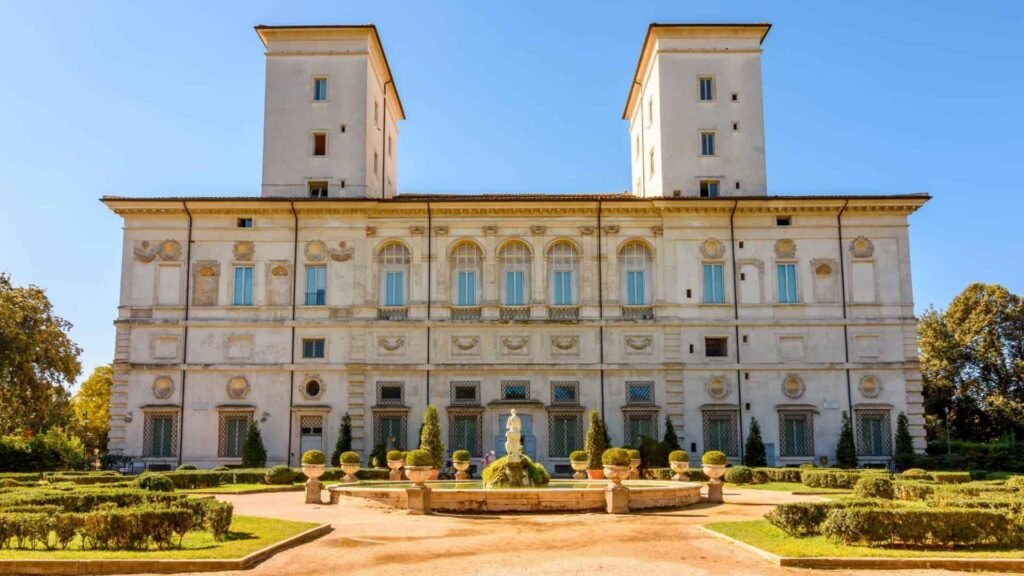
Most travelers skip local museums in favor of the “big” ones. But the small, niche, slightly odd museums? Those are where the real quiet lives.
I spent an afternoon in a tiny ceramics museum in a Portuguese town, and I was the only person there for almost an hour. The woman running it made me tea. She told me about the region’s pottery history in a mix of Portuguese and broken English that I somehow completely understood.
That kind of experience doesn’t happen at the Louvre.
Small museums also tend to be cheaper, less crowded, and wildly more personal. Search for things like “local history museum,” “folk art museum,” or “artisan heritage center” in whatever town you’re visiting.
Pro tip: Visit Tuesday through Thursday mornings. Weekend afternoons are when even the small places fill up.
If you’re looking for destinations where these hidden cultural gems are the norm rather than the exception, this guide on 7 Secret Quiet Travel Spots in Europe That Feel Like Hidden Worlds is worth reading before you book anything.
4. Sketching or Journaling at a Single Spot for an Entire Morning
You don’t need to be an artist. At all.
Sitting in one place and drawing — even badly — forces you to actually look at what’s in front of you. I picked up a cheap sketchbook in a market in Chiang Mai and spent three mornings drawing the same temple courtyard from different angles. Each morning I noticed something I’d missed before. A cracked tile. A monk feeding pigeons. Light hitting the gold at a different angle.
It slowed everything down in the best possible way.
Journaling works the same way. Not Instagram captions — actual longhand writing. What did the air smell like? What were you worried about before this trip? What surprised you today?
Tools I use:
- A small Leuchtturm1917 notebook (sturdy pages, fits in any pocket)
- Staedtler fine-liner pens (don’t bleed through pages)
- For digital journaling: Day One app, which lets you add location, photos, and weather automatically
5. Long, Aimless Boat or Ferry Rides
There’s something about being on water that just dissolves tension.
Not a party boat. Not a whale-watching tour where a guide is narrating nonstop. I’m talking about a regular local ferry — the kind commuters take — where you sit on the outer deck and watch the coastline drift by.
I took a ferry between two Greek islands that most tourists skip because there’s “nothing to do” there. Four hours on the water. I read half a book, ate bad crackers from a vending machine, and stared at the horizon for long enough that my brain genuinely went quiet.
Where to find these: Local ferry routes in Greece, Scandinavia, Scotland’s Hebrides, Southeast Asian islands, and the Turkish coast are all fantastic. Check Rome2Rio for route options — it often surfaces ferry connections that Google Maps misses entirely.
6. Cooking a Meal Using Only Local Market Ingredients
This one surprised me with how meditative it turned out to be.
You go to a local market, you buy ingredients you half-recognize, you figure out how to cook something simple in whatever kitchen you have access to. If you’re in an Airbnb or hostel with a kitchen, this is incredibly easy to set up.
The focus required — reading labels you can’t fully understand, asking a vendor to mime how something should be cooked, figuring out the gas stove that works completely differently from yours at home — occupies your mind in a way that pushes everything else out.
I made a completely wrong version of a Georgian walnut dish in Tbilisi and it was one of the highlights of the trip.
How to start: Tell yourself you’ll make one simple meal. Buy five ingredients. Figure it out. Even failure is fun here.
7. Attending a Morning Religious Service or Ceremony as a Respectful Observer
Before anyone gets defensive — this isn’t about religion. It’s about stillness.
Many temples, churches, and shrines around the world hold morning services that are open to respectful visitors. The atmosphere in these spaces during active ceremonies is unlike anything else — incense, low chanting, complete stillness from those present.
I sat in the back of a small Buddhist temple in Kyoto during an early morning chanting session. It lasted 40 minutes. I didn’t understand a word. I didn’t need to.
How to do this respectfully:
- Research ahead of time whether visitors are welcome
- Dress modestly and conservatively
- Arrive early, sit quietly at the back
- Don’t photograph unless explicitly permitted
- Don’t leave partway through
8. Stargazing from a Dark-Sky Location
Light pollution has stolen the night sky from most of us. Finding a place where you can actually see the Milky Way with naked eyes is genuinely shocking the first time.
Many rural areas — especially near national parks or in mountainous regions — have minimal light pollution. You don’t need equipment, though binoculars help. Just lie on your back on a blanket and look up.
I did this in the Atacama Desert in Chile and in rural Northumberland in England (very different climates, equally jaw-dropping skies). Both times, I stayed out far longer than planned and went to sleep feeling strangely calm — the kind of calm that comes from being reminded you’re very small in a very large universe.
Tool: The Stellarium app is free and brilliant — point your phone at any part of the sky and it identifies exactly what you’re looking at.
Where to find dark skies: The Dark Sky Places map (darksky.org) lists certified dark sky parks and reserves worldwide.
9. Slow Travel by Train Through Rural Regions
High-speed rail is efficient. But slow, local trains through countryside?
That’s where the magic is.
I took an old regional train through rural Japan — not the Shinkansen, the tiny one-carriage train that stops at towns with populations of 800 people. Rice paddies. Mountains. A man sleeping with his grocery bag on his lap. Nobody on their phone.
The journey itself was the destination. I had no plans at the other end. I just watched Japan slide past the window for four hours.
How to find these routes: Look for regional rail passes rather than national high-speed ones. In Europe, the Interrail pass lets you hop slow trains across the continent. Japan’s local rail networks are spectacularly underused by tourists. In India, overnight trains through rural areas are an experience entirely their own.
For more on how destinations like these tend to stay peaceful and crowd-free, 10 Ultimate Quiet Travel Spots Around the World Most Tourists Miss lays it out really well.
10. Spending a Full Day at a Thermal Bath or Onsen
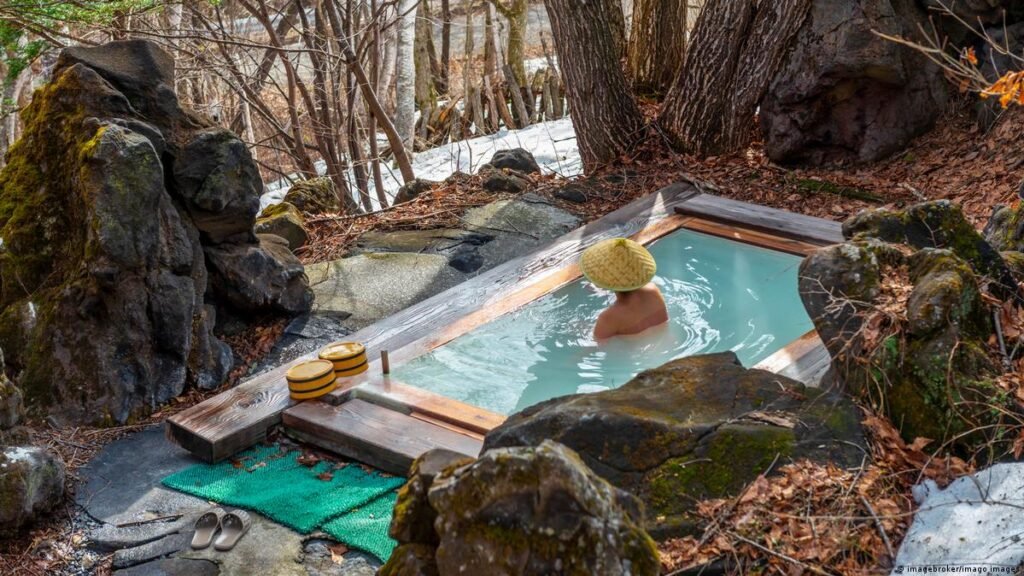
Not a spa with a treatment menu and upsells. A thermal bath where you just… sit in hot water for several hours.
Hungary’s bathhouses, Japan’s rural onsen, Iceland’s geothermal pools — these are all built around the same idea: warm water, quiet rules, no agenda.
The key is staying long enough. Most tourists do 45 minutes and leave. If you have access to a thermal bath, give it a full day. Bring a book you don’t mind getting slightly damp. Rotate between hot and cool pools. Eat something small at the little café inside. Go back in.
By hour three, your nervous system starts doing something noticeably different. It’s difficult to explain until you’ve experienced it.
A note on etiquette: Most traditional onsen in Japan require you to shower before entering and prohibit tattoos. In Hungary’s public baths, a swim cap is often required. Check the rules before you go — they’re easy to follow once you know them.
| Destination | Type | Best For | Cost Range |
|---|---|---|---|
| Budapest, Hungary | Public thermal baths | Full-day relaxation | €10–25 |
| Hakone, Japan | Traditional onsen | Cultural immersion | ¥1,500–4,000 |
| Blue Lagoon, Iceland | Geothermal pool | Dramatic scenery | €50–100+ |
| Tuscany, Italy | Natural hot springs (free!) | Budget travelers | Free–€5 |
| Pamukkale, Turkey | Calcium terraces & pools | Unique landscape | €20–30 |
11. Reading Outdoors in One Place for an Entire Afternoon
This one gets underestimated because it sounds too ordinary.
But reading outdoors in an unfamiliar place — a park, a courtyard, a harbor wall, a meadow — is quietly one of the most restorative things you can do while traveling. You’re present in the place without having to perform enthusiasm about it. You notice things in your peripheral vision. The light changes around you. People drift in and out of your awareness.
I spent an entire afternoon reading on a bench near a canal in Amsterdam, and I remember it more vividly than most of the museums I visited that trip.
Make it work: Bring a book you’re genuinely excited about (not a “should read” book). Find a spot with natural shade. Give yourself permission to do nothing else for three hours. Resist the urge to take photos of yourself reading — that defeats the whole thing.
If you need help identifying destinations where this kind of slow afternoon is actually possible — where you won’t be surrounded by tour groups and noise — 9 Stunning Quiet Travel Spots in the Mountains for Total Silence has some genuinely excellent picks.
Common Mistakes That Undermine the Whole Point
A few things I’ve learned (mostly by doing them wrong first):
Over-scheduling quiet activities. If you’re block-scheduling your “forest bathing session” between two other things, you’ve already lost. These activities need breathing room around them.
Bringing the wrong company. Some people you travel with will be uncomfortable with silence. That’s fine — but trying to do genuinely quiet activities with someone who keeps suggesting you go find something “more fun” will frustrate both of you.
Treating it like a productivity hack. The goal is not to “optimize your rest” or “recharge to be more productive.” The goal is rest for its own sake. The moment you start thinking of quiet travel as a tool for something else, it stops working.
Choosing quiet activities in loud places. A forest bath in a park next to a highway is not a forest bath. A journal session on a terrace facing a busy roundabout is not peaceful. Location matters enormously — do your research.
A Final Thought
The best travel I’ve done has never been the most packed. It’s been the mornings where I had nowhere to be. The afternoons where the only decision was whether to have tea or coffee. The evenings where I sat somewhere and watched the light change without taking a single photo.
These 11 activities aren’t bucket list items. They won’t give you stories that start with “and then we ran with the bulls.” But they’ll give you something harder to find: the feeling of actually having rested.
And if you’re looking for where to take this kind of travel next, this piece on 8 Hidden Quiet Travel Spots by the Sea That Feel Untouched is a genuinely good starting point for planning something slow and restorative.