
Last spring, I booked a long weekend at a beach resort that a travel influencer had called “a hidden gem.” When I arrived, there were 200 other people who’d apparently watched the same reel. I stood in line for 40 minutes just to get a sun lounger. That was the moment I realized — I’d been doing weekend travel completely wrong.
Since then, I’ve made it my personal mission to figure out how to actually rest on a short trip. Not just change locations, but genuinely come back feeling like a human being again. What follows are eight ideas that have genuinely worked for me — no Instagram-famous destinations, no packed itineraries, no regrets.
1. Pick a Direction, Not a Destination
This sounds counterintuitive, but hear me out. Instead of Googling “best weekend getaway near me” and ending up somewhere every other tired person is also heading, try picking a general direction — say, north, or inland — and then just… drive.
Set a loose rule for yourself: no motorways, no chain hotels. Just secondary roads and small towns.
I did this once heading northeast from my city, and stumbled onto a town with a 200-year-old bakery, a canal nobody seemed to know about, and a guesthouse run by a retired schoolteacher who made the best eggs I’ve ever had. None of that would have shown up in a top-ten list.
Practical tip: Use Google Maps in satellite view to scan for green patches, rivers, or small clusters of buildings along back roads. That’s where the quiet actually is.
2. Book a Place With a Kitchen (Seriously)
One of the biggest underrated stressors of travel is the constant decision of where to eat. When you’re already mentally exhausted from the week, standing outside three restaurants trying to pick one while you’re also hungry is… a lot.
Renting a cottage, apartment, or even a small cabin with a kitchen changes everything. You can shop at a local market on your first morning — which is its own lovely, slow experience — and then eat whenever you feel like it, without anyone rushing you to turn the table.
I’ve used Airbnb, Booking.com, and occasionally Hipcamp for this. Hipcamp is particularly good if you want something more nature-adjacent — think rural cottages and farm stays rather than city apartments.
Avoid: Places marketed as “perfect for groups and parties.” Even if it’s quiet when you book, the infrastructure (big living rooms, multiple bathrooms) attracts a certain kind of noise.
3. Go Somewhere During Its Off-Season
Every destination has one. And during that window, it’s a completely different place.
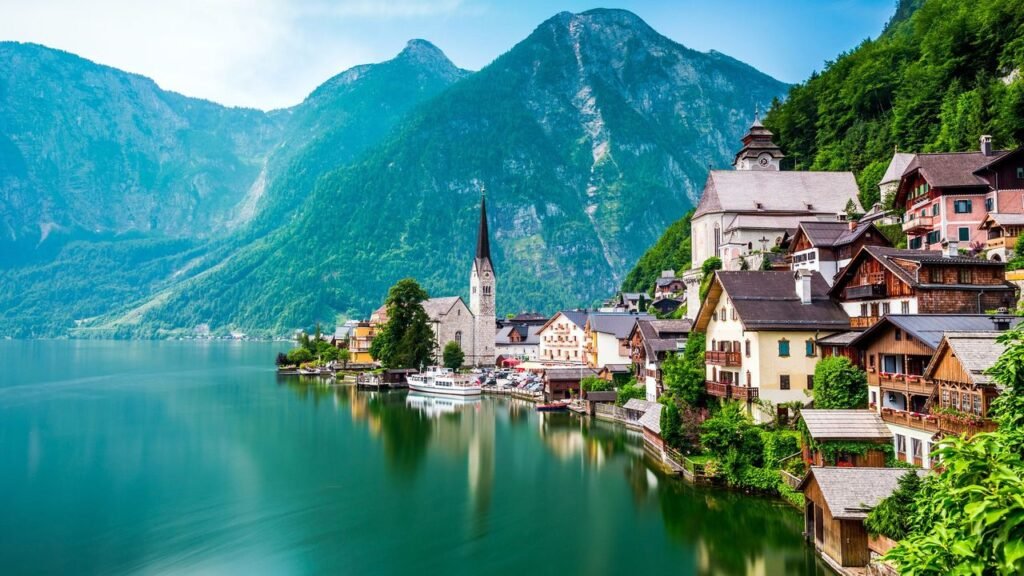
I visited a coastal village in late October once — a place I’d heard was rammed in July. The water was still fine for a walk along the shore, the cafés were genuinely glad to see me, and I got a room at a boutique guesthouse for roughly half the summer price. The owner sat with me and talked for an hour because she wasn’t racing between check-ins.
Off-season travel is one of those things that feels like a secret but is actually just a small shift in timing. The place is the same. The crowds are not.
For more depth on finding these kinds of under-the-radar spots, 10 Underrated Quiet Travel Spots You Should Visit Before Everyone Else has some genuinely good picks I’ve gone back to more than once.
Quick reference — best off-season timing by region:
| Region | Peak Season | Sweet Spot for Quiet |
|---|---|---|
| Mediterranean Coast | June – August | October – November |
| Mountain Villages | December – February | March – April |
| Southeast Asian Islands | November – January | May (pre-monsoon) |
| UK Countryside | July – August | September – October |
| Scandinavian Towns | June – July | Late August – September |
4. Build in at Least One “Nothing Day”
I used to plan weekend trips like I was afraid of missing out on something. Every hour blocked off. Museum in the morning, historic town in the afternoon, “charming local restaurant” in the evening.
By Sunday night I needed a holiday from my holiday.
Now I deliberately leave one full day completely unplanned. No reservations, no route, no must-sees. I wake up and see how I feel. Sometimes I walk somewhere nearby. Sometimes I read for three hours and then have a long lunch. Sometimes I genuinely do almost nothing and it’s the best part of the entire trip.
This is harder than it sounds if you’re a natural planner. But it’s worth practicing. The spontaneous morning where you follow a footpath just because it looks interesting — that’s usually the thing you remember six months later.
5. Swap the City Hotel for a Rural Stay
City hotels, even quiet ones, come with city noise. Sirens, deliveries, that one guy at 2am. Even with good earplugs it seeps in.
Staying somewhere genuinely rural — a farmhouse, a converted barn, a small inn at the edge of a village — changes your nervous system in a way that’s hard to explain until you’ve experienced it. There’s actual silence at night. Birds in the morning instead of traffic. The light comes in differently.
For a weekend focused on actual rest, I now treat a rural base as non-negotiable. Even if it means a longer drive on Friday evening, it’s worth it.
Some platforms worth bookmarking for this:
- Sawday’s — curated independent guesthouses and cottages, particularly strong in the UK and France
- Glamping Hub — if you want nature but with a proper bed
- Unique Home Stays — architectural gems that are genuinely unlike anywhere else
6. Choose Activities That Slow You Down, Not Speed You Up
A lot of “relaxing” weekend packages include things like kayaking tours, wine tasting with six stops, guided hikes that leave at 7am. These are fine activities. They’re not rest.
Truly quiet travel means choosing things that put you into a slower rhythm. Some ideas that have worked well for me:
- Wild swimming — finding a lake or river and just being in it for a while. No instructor, no group, no itinerary.
- Visiting a small independent bookshop — not to buy a pile of things, just to browse slowly.
- Sitting in a church or old building — not for religious reasons necessarily, just for the specific quality of silence old buildings hold.
- A long solo walk without a podcast — this one is harder than it sounds and also more restorative than almost anything else.
The key is activities where there’s no performance involved. You’re not trying to get somewhere or achieve something. You’re just present.
If you’re curious about how quiet experiences can genuinely shift your state of mind, 5 Magical Quiet Travel Spots Experiences That Feel Like Therapy captures that feeling in a way I found genuinely resonant.
7. Set a Real Digital Boundary (Not a Fake One)
Every travel article ever written tells you to “disconnect.” Almost nobody actually does it fully.
Here’s what I’ve found works better than a vague intention to “check your phone less”: pick a specific, concrete rule before you leave. Mine is usually: email app deleted from phone for the weekend, no social media between 8pm and 10am, one intentional check-in on Saturday afternoon.
The first few hours feel slightly uncomfortable. Then it fades. By Sunday morning you realize you’ve had a version of your own mind back that you’d forgotten existed.
Some tools that help:
- One Sec (app) — puts a pause before social apps open, which breaks the reflex loop
- Freedom — blocks specific apps or websites on a schedule across all devices
- Grayscale mode on your phone — makes the screen far less interesting, subtly reduces usage
The point isn’t performative detox. It’s just that your brain can’t actually rest if it’s still processing notifications.

8. Go Somewhere You Can Walk Everywhere
One underrated source of travel stress is being car-dependent. If you have to drive every time you want anything — a coffee, a walk, dinner — it adds a low-level logistical friction to the whole trip.
Destinations where you can walk to most things from where you’re staying have a completely different energy. Small market towns, villages with a proper high street, coastal spots with a promenade — anywhere you can just wander out the door and have something pleasant happen within ten minutes on foot.
This is partly why I’ve started specifically filtering accommodation searches by walkability. I’ll look at the map and trace a rough radius: can I walk to a café? A green space? Anywhere interesting? If yes, that’s a good sign.
It also means you move slower, which is actually the point. Walking pace is the correct speed for a quiet weekend.
For planning this kind of trip well from the start, 5 Quiet Travel Spots Planning Strategies That Make Trips Truly Relaxing has some solid practical advice I’ve used to cut my pre-trip stress way down.
Common Mistakes That Quietly Ruin a Restful Weekend
Even with the best intentions, a few things consistently sabotage people’s attempts at a quiet trip. Here’s what I’ve learned (mostly the hard way):
Over-researching the destination. There’s a point where reading fifteen reviews about a place turns the trip into a set of expectations to meet rather than an experience to have. Read enough to know it’s worth going. Then stop.
Booking too many “just in case” restaurants. Reservations create a schedule. A schedule creates pressure. For a genuinely restful weekend, leave at least some meals unplanned.
Choosing novelty over calm. The temptation is always to go somewhere impressive. But impressive and restorative are different things. Sometimes the less photogenic option is the one that actually gives you what you need.
Bringing work “just in case.” If the laptop comes, the laptop opens. It’s almost a law of physics. Leave it.
Trying to squeeze in too much on Sunday. Sunday should wind down, not escalate. Protect the return journey by not planning anything for the last few hours before you head back.
A Simple Framework for Planning a Quiet Weekend
If you want a practical starting structure, here’s roughly how I approach it now:
| Element | What to Decide | How to Keep It Simple |
|---|---|---|
| Location | Direction + rough area | Drive time under 2.5 hours |
| Accommodation | Rural, kitchen if possible | Book early, stop browsing after |
| Activities | Max 2 planned things | Leave the rest open |
| Food | 1 nice dinner booked, rest flexible | Shop locally for breakfast/lunch |
| Digital rules | Specific, pre-decided rules | Set Freedom/One Sec before you leave |
| Nothing Day | Which day is unplanned | Block it in your calendar as protected |
There’s a version of weekend travel that doesn’t leave you exhausted. It just requires slightly different choices than what most travel content recommends — because most travel content is optimized for clicks, not for rest.
The weekends that have genuinely reset me were rarely the ones with the best photos. They were the ones where I walked somewhere slowly, ate something unhurried, slept without an alarm, and came back feeling like I’d actually been away.
That’s the whole goal. And it’s more achievable than most people think.
If you’re building a longer quiet trip around these principles, this guide is worth a read: 9 Quiet Travel Spots Guides That Turn Any Trip Into a Relaxing Escape